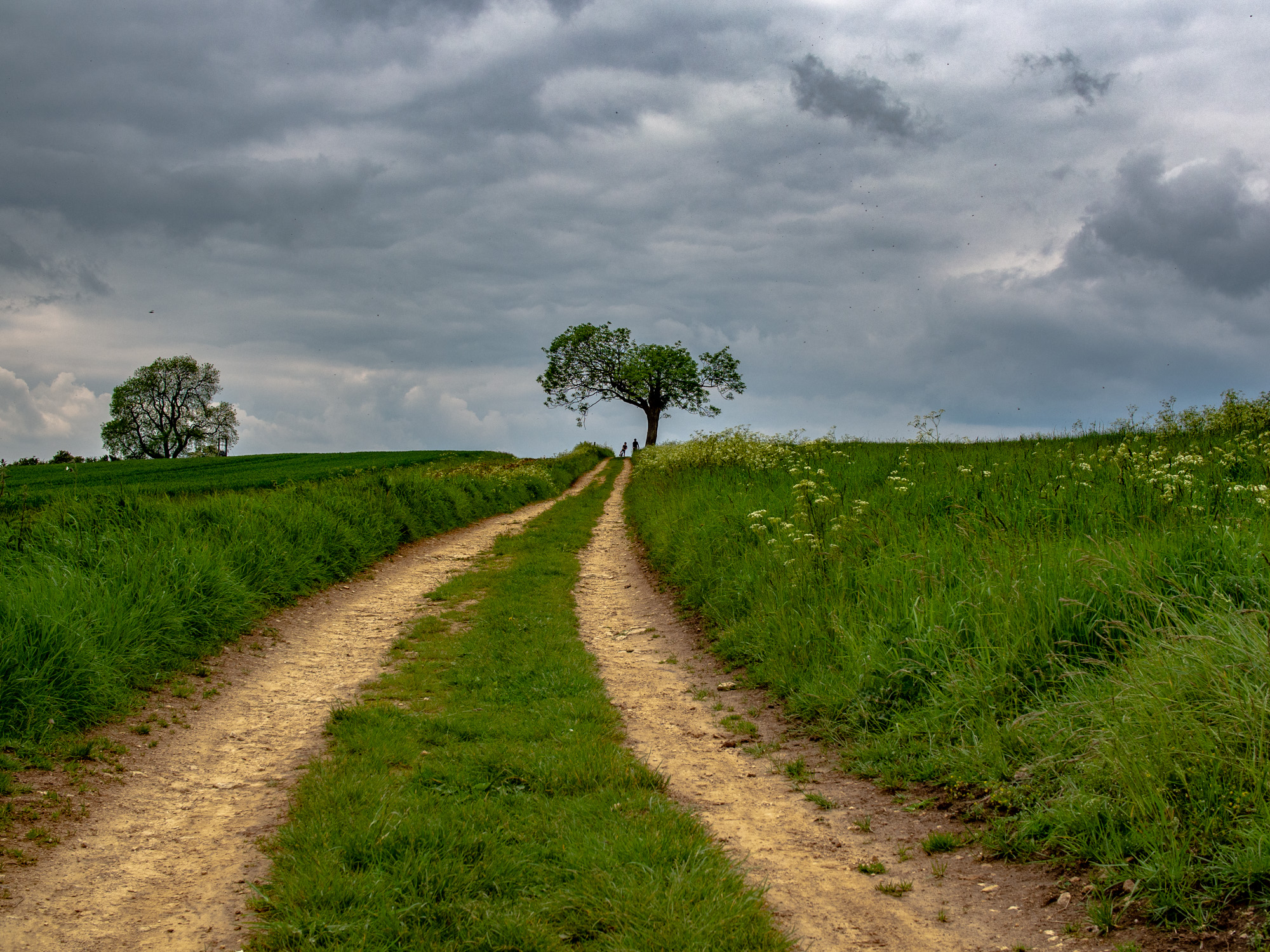
Converging lines in photography are a powerful compositional tool used to create depth, perspective, and visual interest in images. By strategically framing a scene to include lines that converge towards a vanishing point, photographers can guide the viewer’s eye through the composition and evoke a sense of depth and distance.
In addition to their role in creating depth and perspective, converging lines can also be used to add drama and tension to a photograph. The convergence of lines can create a sense of convergence or divergence, depending on the placement and angle of the lines, leading to visually engaging compositions.
Some ways of emphasising and enhancing depth and perspective using linear lines are:
- Choose a viewpoint that shows a range of distance (i.e. from foreground to background).
- Use a wide-angle lens close to the nearest parts of the scene which can show a larger depth of field from foreground to distance.
- Use lighting or placement or post processing dodging and burning to keep bright tones in the foreground and dark tones in the distance.
- Allow focus to become unsharp towards the distance by controlling depth of field using aperture or in post processing using blur.
Some classic examples of converging lines are Brie, France, 1968 by Henri Cartier-Bresson, Lanzarote, 1975 by Jeanloup Sieff and Sometimes light, sometimes shadow by Nina Papiorek.
A few things to avoid when making images using conversion lines are:
Ensuring that the converging lines lead the viewer’s eye towards the intended focal point. Sometimes, converging lines may lead the viewer’s gaze out of the frame or towards distracting elements. To address this, carefully compose the shot, ensuring that the lines guide the viewer towards the subject or main point of interest. This may involve adjusting the camera position or angle to achieve the desired effect.
Cluttered or messy compositions can detract from the impact of converging lines. Pay attention to the elements within the frame and eliminate any distractions that may compete with the converging lines. This may involve adjusting the framing or waiting for the right moment to capture the scene without unwanted elements or removing unwanted elements during post-processing.
Finally, overusing converging lines in every photograph can lead to a lack of variety and visual interest. Keep compositions fresh and engagingly experimenting with different techniques and compositions, incorporating converging lines strategically rather than relying on them exclusively.
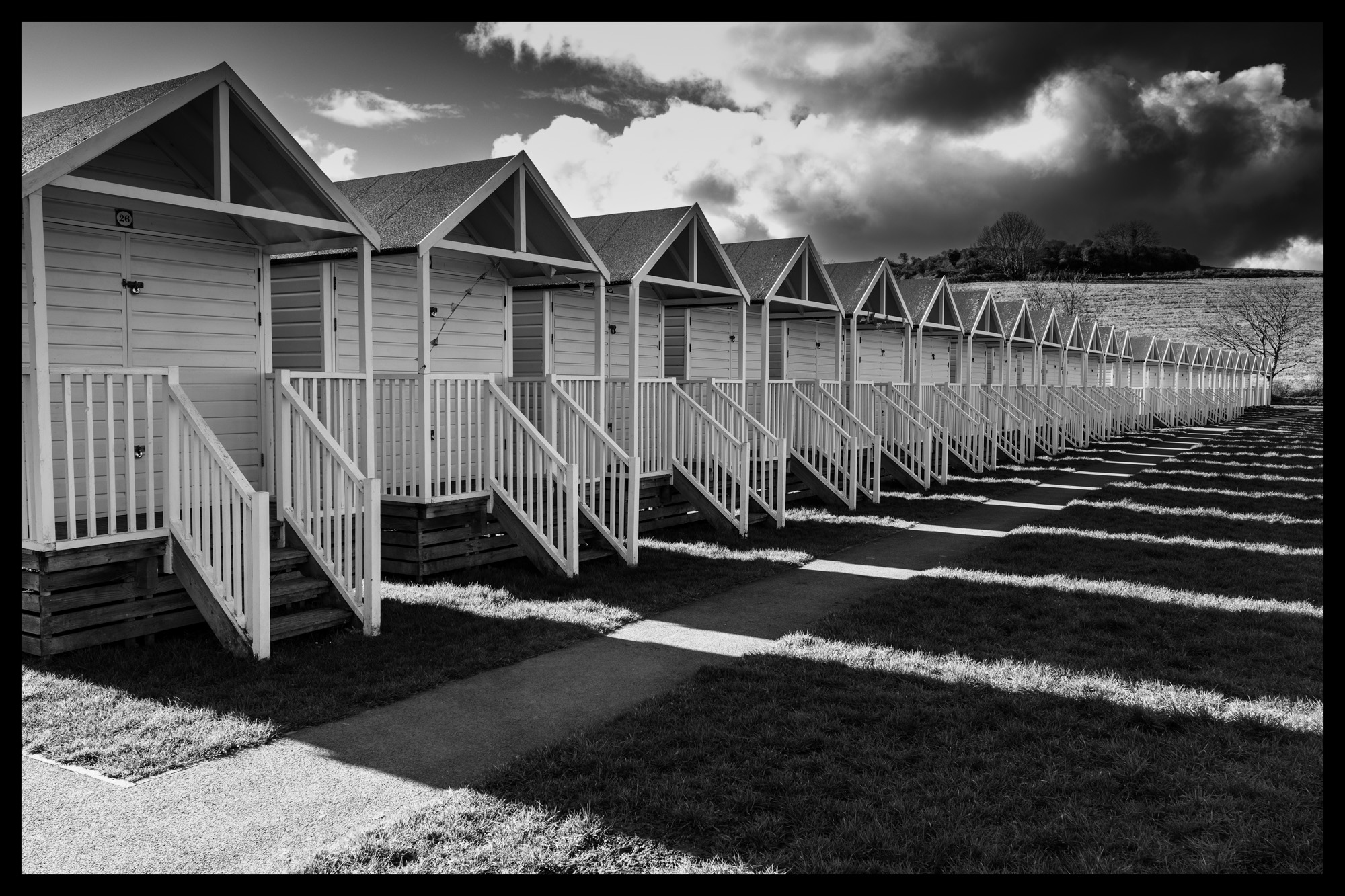
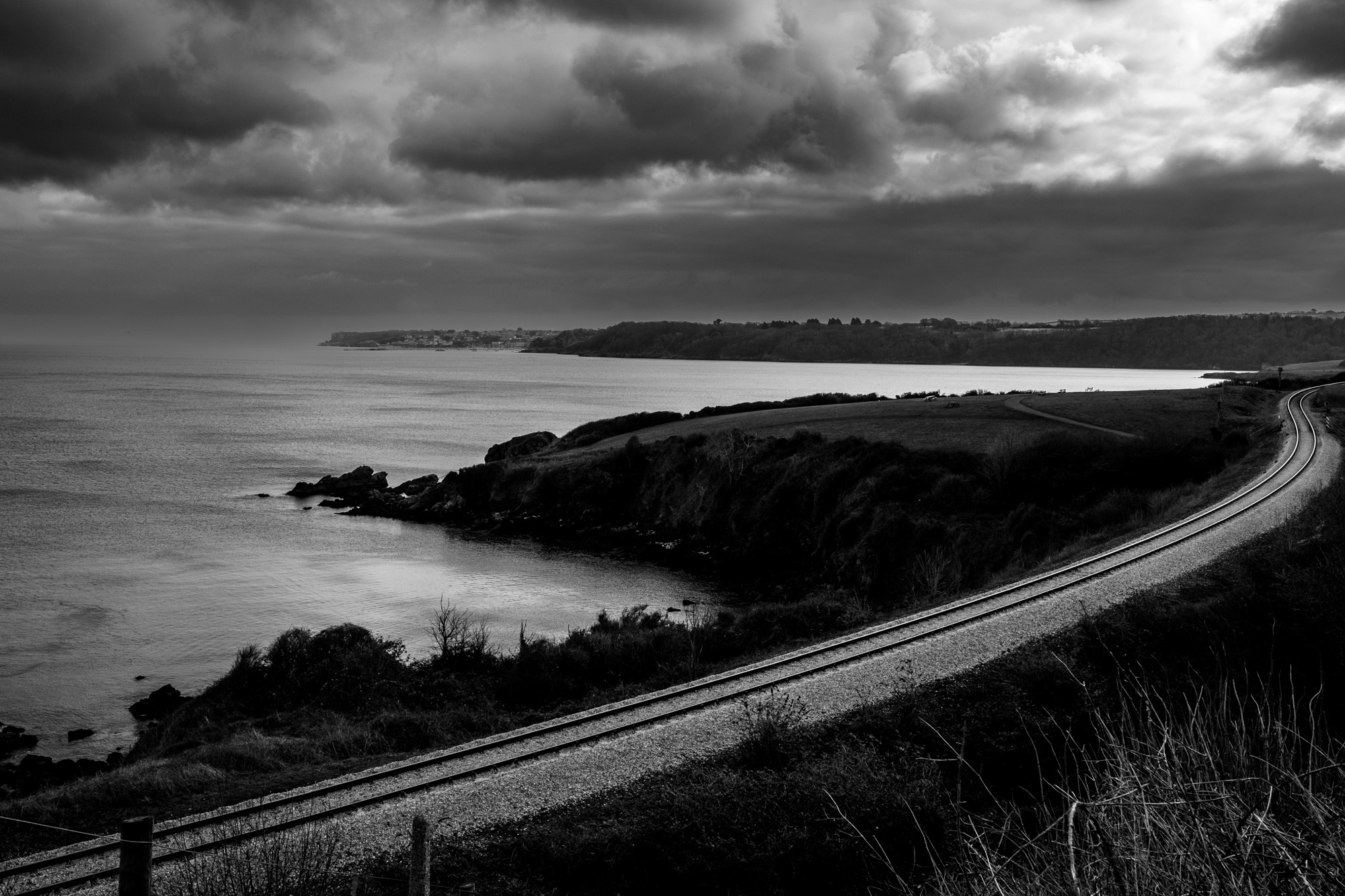
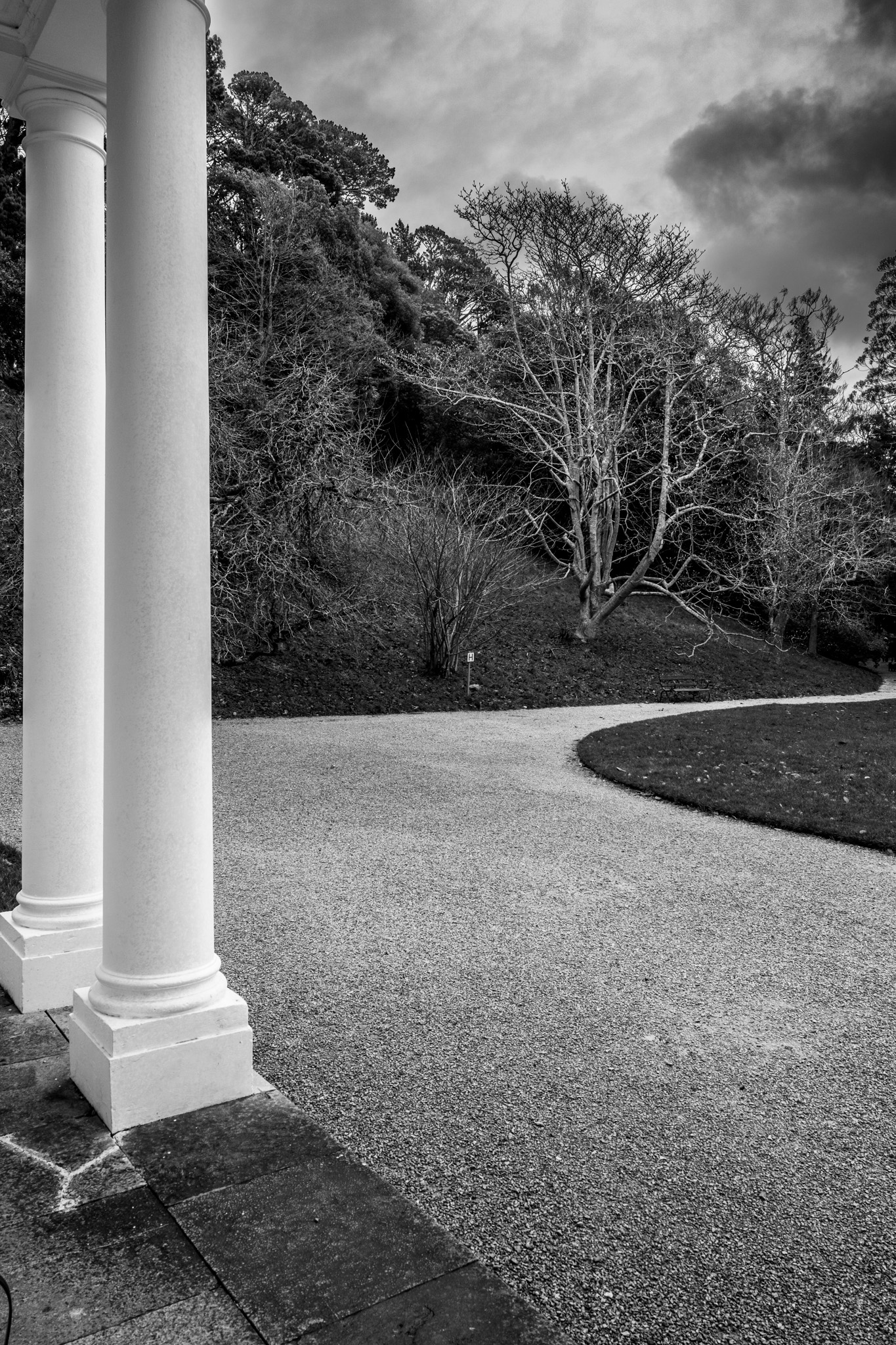
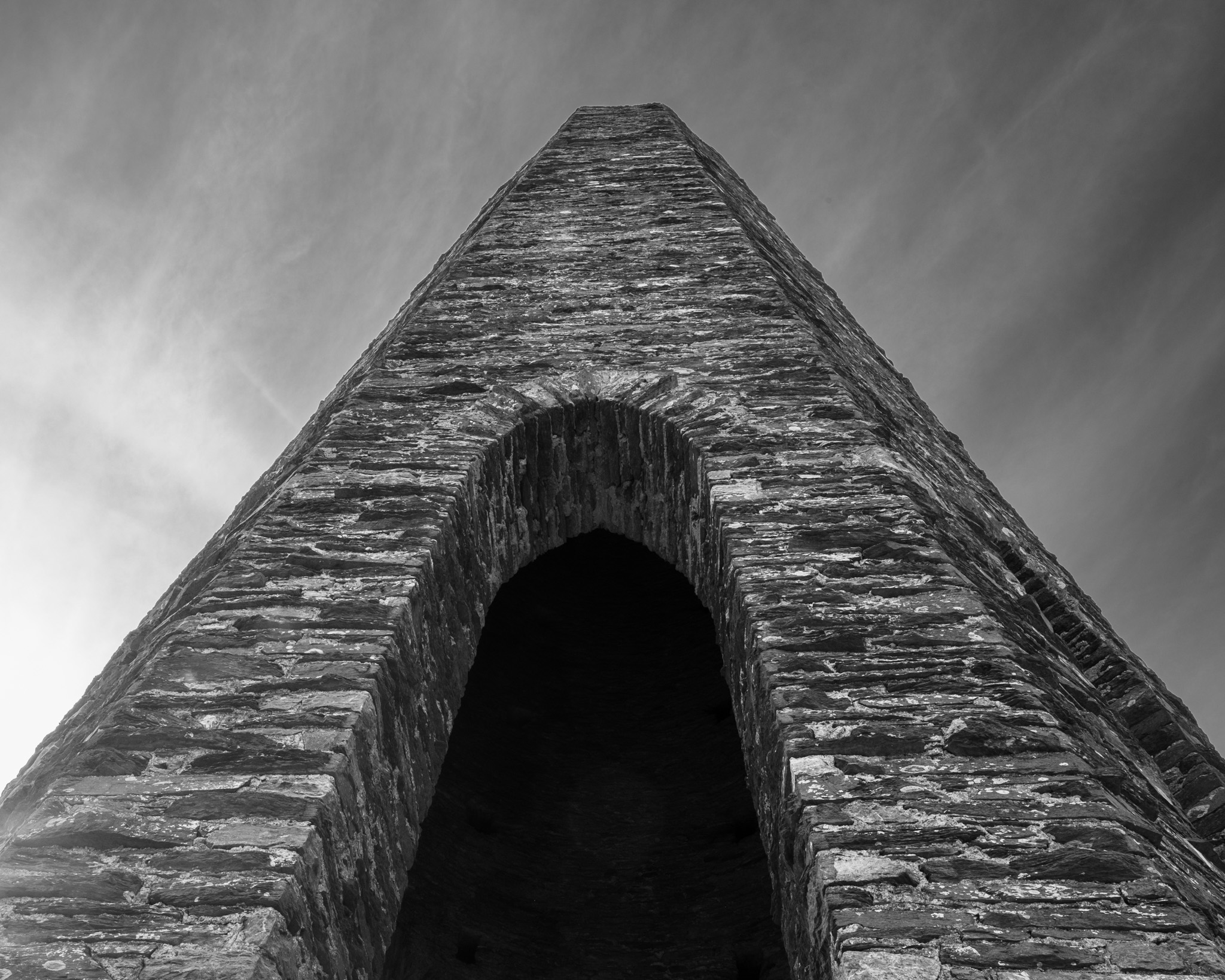
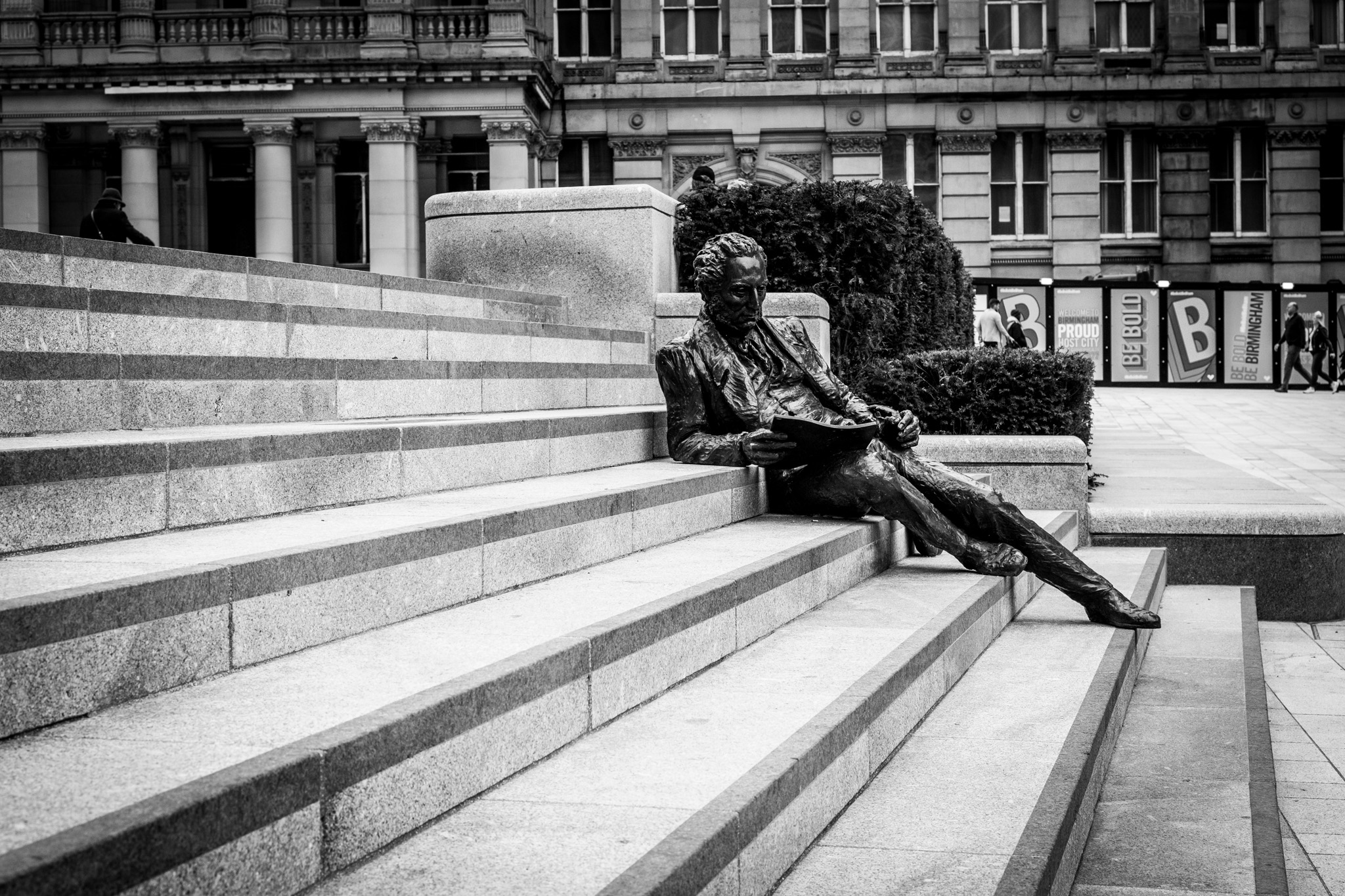
Below are a few of my own images, taken over the years, showing the use of converging lines, whether used intentionally or not.




 Peter Cripps
Leave a comment