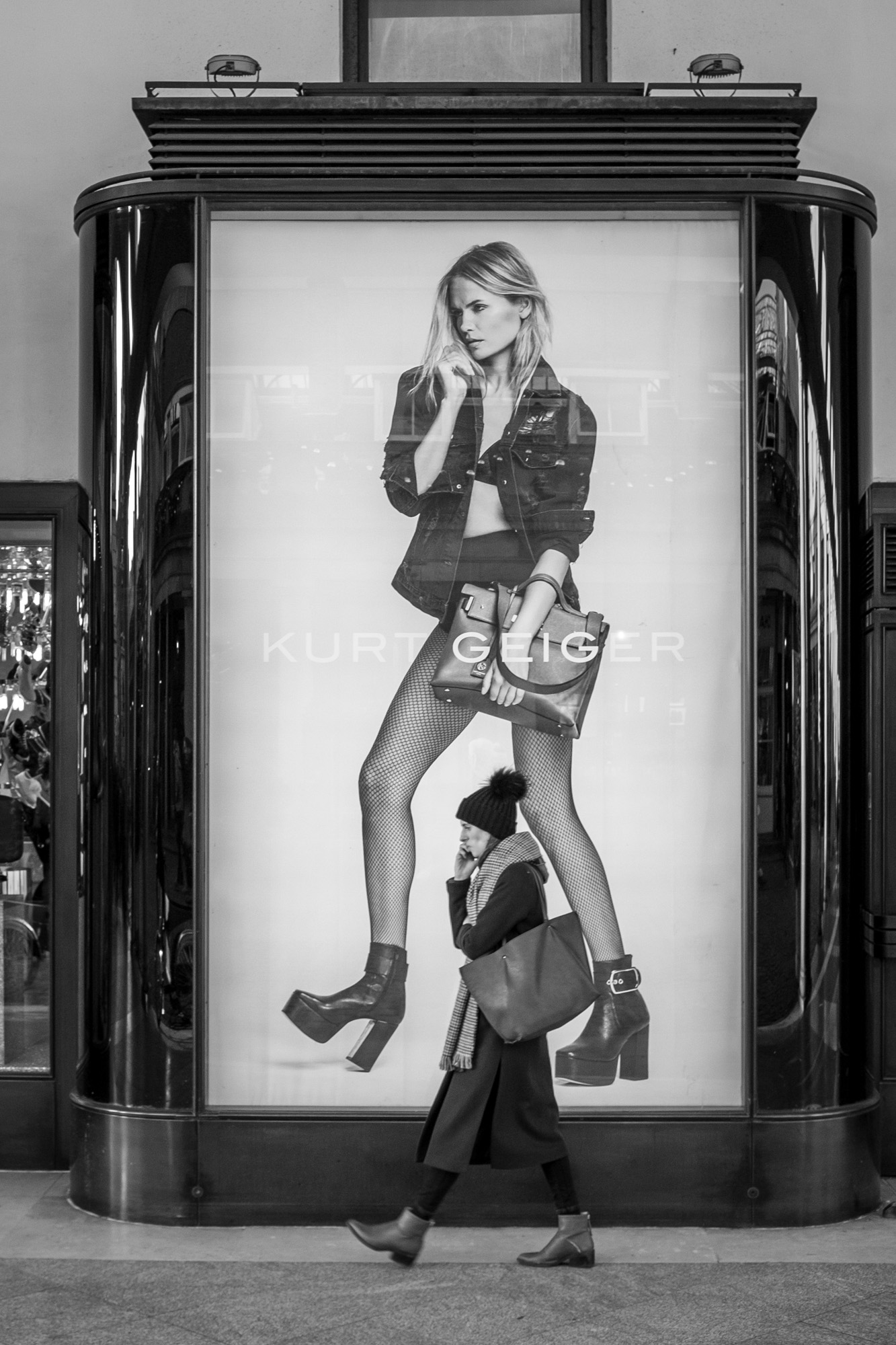
“One does not add composition as though it were an afterthought superimposed on the basic subject material, since it is impossible to separate content from form. Composition must have its own inevitability about it.“
Henri Cartier-Bresson, The Mind’s Eye
Compelling street photographs have well-thought-out compositions that draw the viewer’s eye to the main subject while also incorporating interesting elements in the background or foreground.
One of the reasons good street photography is so hard is that out on the streets things are constantly changing and the correct alignment of compositional elements can come and go in the briefest of moments. Unlike landscape, portrait or still life photography the street photographer does not usually have time to carefully compose her shot but must be ready to frame, expose and press the shutter in fractions of a second. Sometimes getting the composition just right may seem to be largely a matter of luck rather than skill.
One way of improving on your luck is to find some elements of the composition which are relatively static and to simply wait until something happens that provides you the subject within the overall context of the surrounding image. This is something that I have discussed here in the work of Sam Abell.
You can also ensure your camera is set in such a way that you have the minimum to do when making the image. Pre-setting exposure, focus and depth of field and ensuring you have the right lens or focal length at least reduce some of what you have to do to grab the image.
One of the most iconic images which demonstrates a mastery of composition is “Behind the Gare Saint-Lazare” (1932) by Henri Cartier-Bresson. The perfectly timed moment of a man leaping over a puddle is framed by the reflection of a nearby building and the curving lines of the iron fence. The composition creates a sense of movement and tension, drawing the viewer’s eye to the central subject while incorporating interesting elements in the background.
Another example is “New York” (1940) by Helen Levitt. This is one of a series taken by Helen which captures the funny, incongruous and vibrant lives of people on the streets of New York City. Many of these are images of children often taken with a camera hidden under her coat to capture the unposed spontaneity of life on the street up close and personal.
Two books that have influenced me greatly in my approach to composition are about and by the great master himself, Henri Cartier-Bresson.
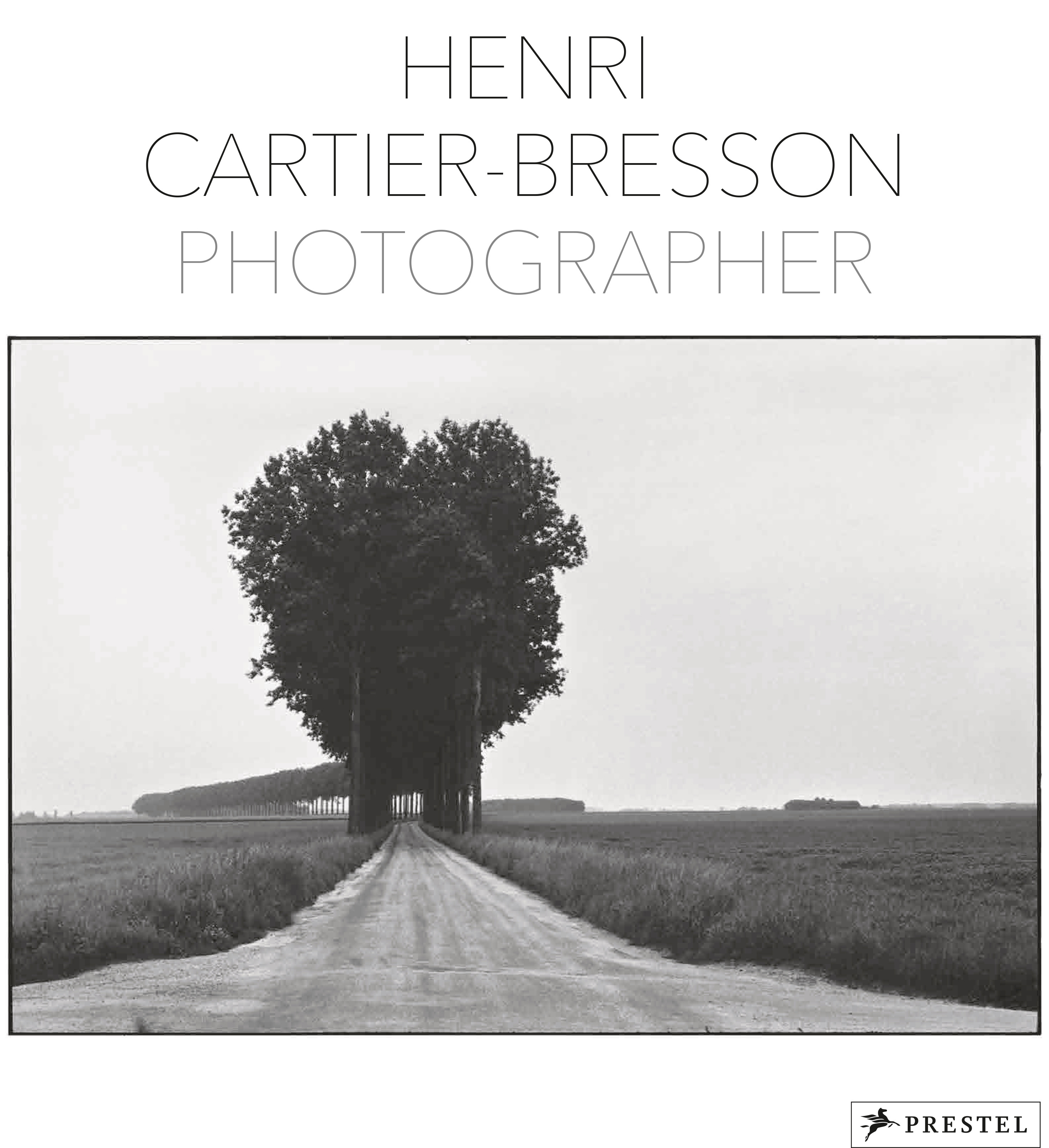
Henri Cartier-Bresson Photographer
Here you will find many of Cartier-Bresson’s most iconic images. Everything from his earliest work in France, Spain, and Mexico through his postwar travels in Asia, the US, and Russia, and his landscapes from the 1970s, when he retired his camera to pursue drawing.

The Mind’s Eye
Features Cartier-Bresson’s famous text on “the decisive moment” as well as his observations on Moscow, Cuba and China during turbulent times. He also explains his approach and philosophy towards photography.
Here are a few of my own images which I believe show strong composition.


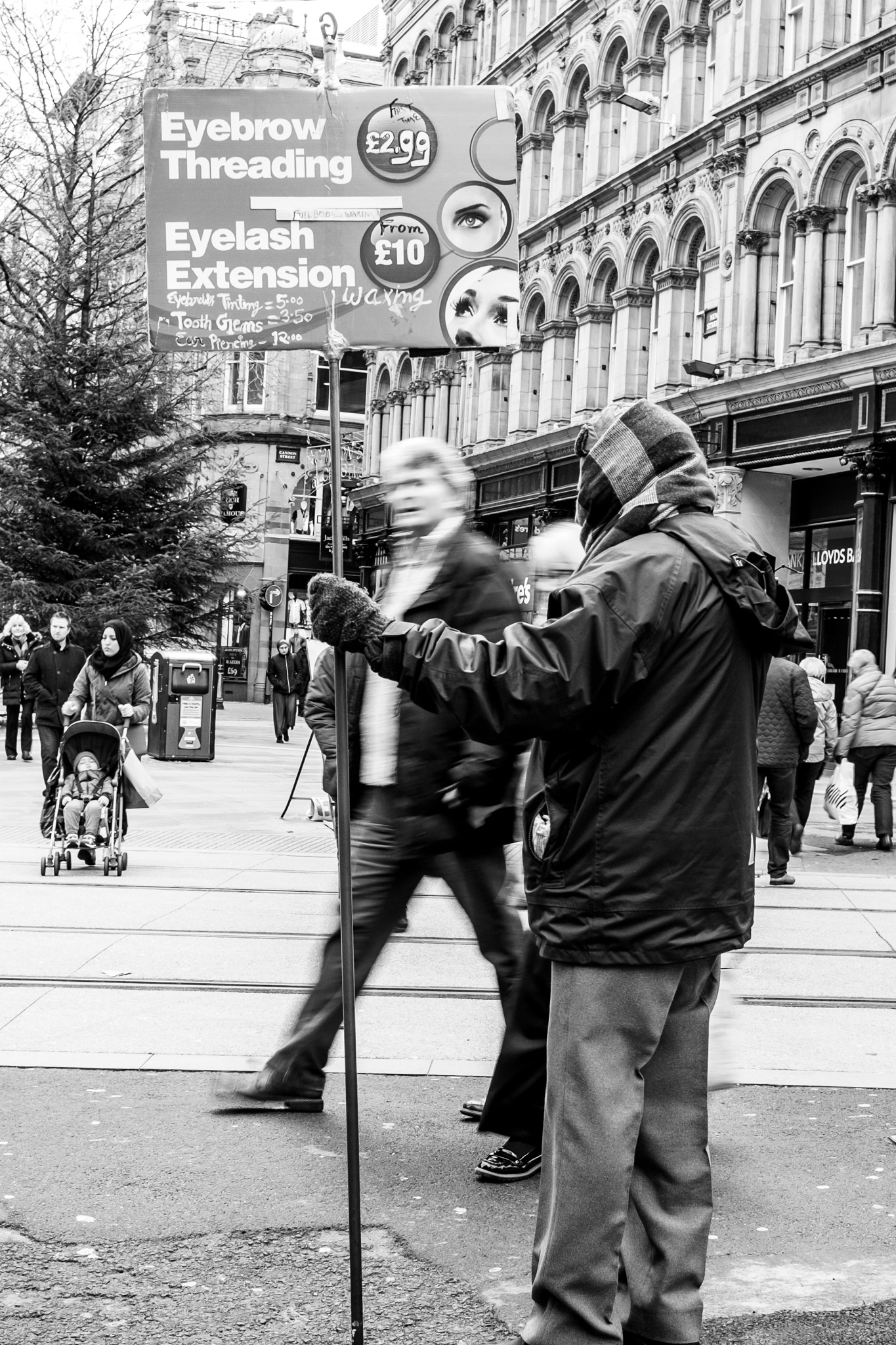
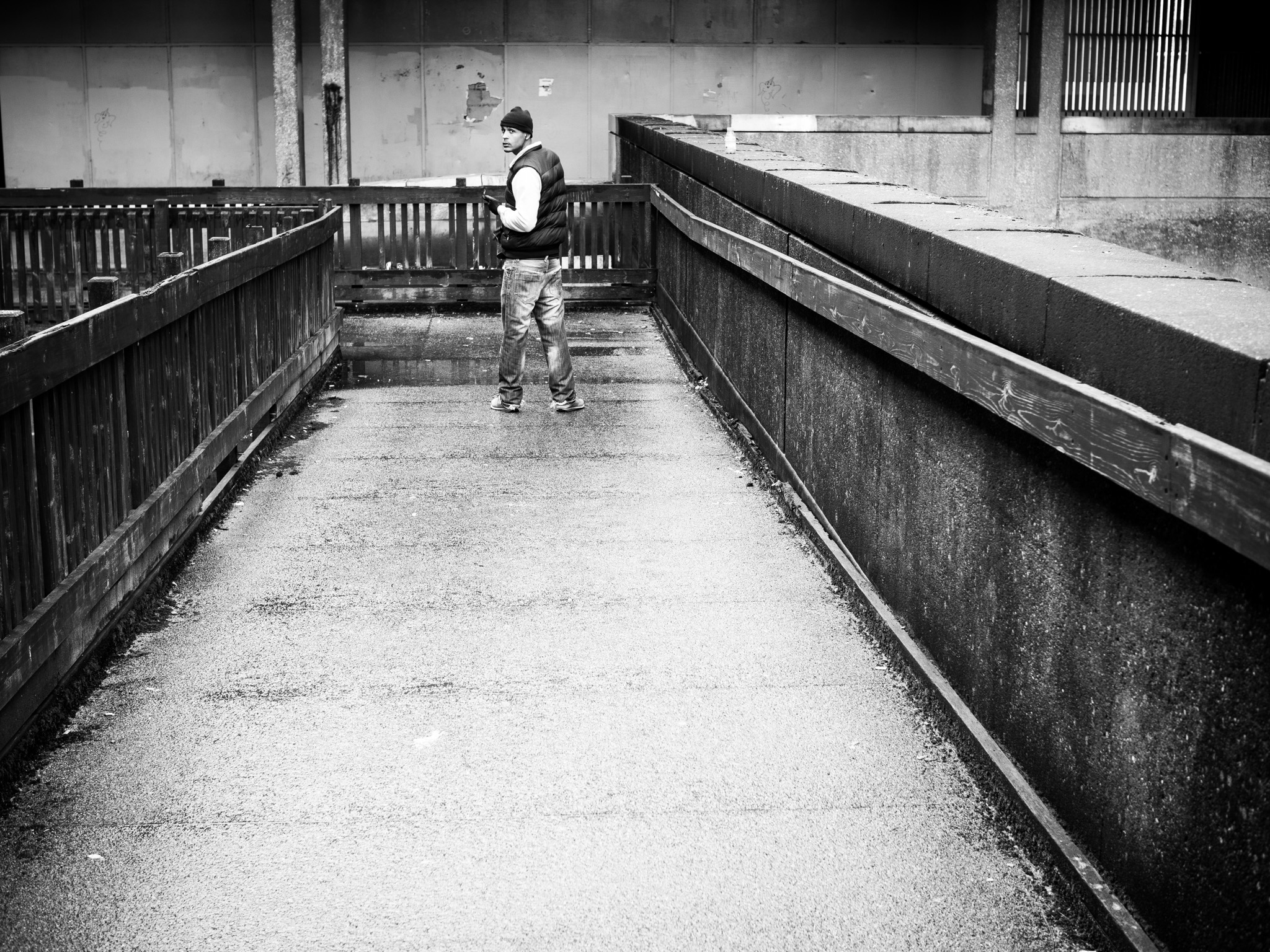
As a related aside the YouTube photographer Tatiana Hopper has an interesting take on Henri Cartier-Bresson’s work in this video where she considers how Cartier-Bresson might have fared in today’s digital age.

 Peter Cripps
Leave a comment