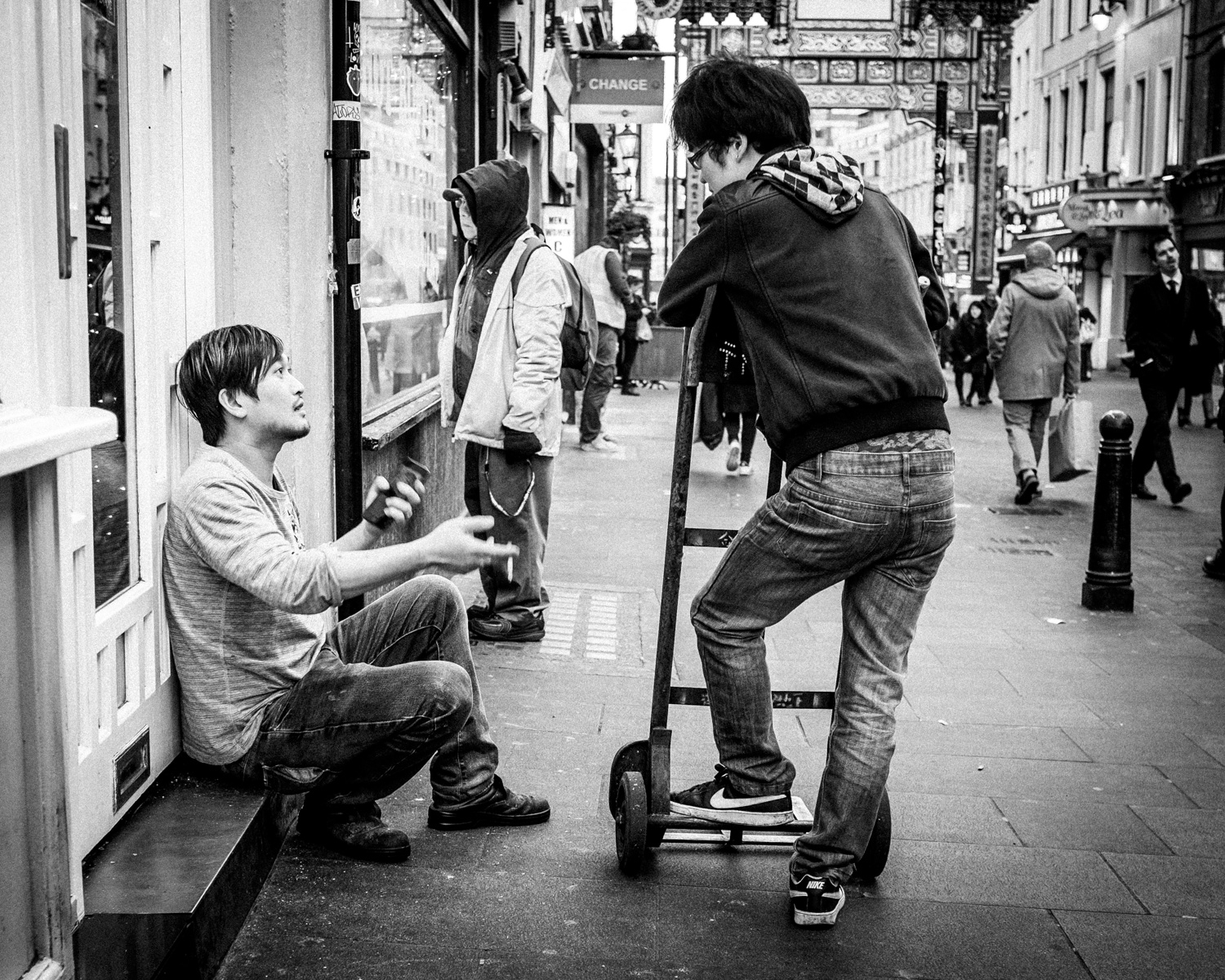
“I couldn’t work without the world, but I always have a very specific way of seeing it.“
Alex Webb
Stand out street photographs often offer a unique perspective or point of view that grabs the viewer’s attention. This could involve experimenting with angles, framing, capturing unexpected moments, taking pictures of small details or creating unusual or even jarring compositions.
The easiest way to take a photo is to shoot at eye level. For me, if I was to do this, it would mean all of my photographs were taken from a level of around two meters above ground level. I’m fairly tall so for most people images would be slightly less than this but if every image you took was from the same height they would a) become very boring very quickly and b) mean you would miss out on sometimes capturing a unique and different perspective. Deviating from this standard elevation is an easy way to capture your scene from a fresh perspective.
Unique perspective can also be achieved by what you do (or do not) include in your frame. Photographers like Alex Webb, Joel Meyerowitz and Daidō Moriyama often pack so many incongruous elements into their pictures that they can, at first viewing, seem like a jumbled mess of unrelated pieces. When you look at their images more closely however you can see the relationships the photographer is trying to create. It takes a lot of practice (and sometimes luck) to achieve this kind of compositional perfection and you need to act quickly and press the shutter before they disappear. It can help if you work with scenes that have a clearly defined foreground, middle ground and background. Don’t be afraid to push elements outside your frame so they are part in and part out of the mage but try to ensure there is a central point of focus that is the main subject.
Finally a unique perspective can be achieved during post processing. You can do some extreme cropping to just focus in on particular elements of ensure you get the viewer to focus where you want by applying bokeh (AKA lens blur) or using vignetting. I know some street photographers will balk at overly processing images but to my mind if it helps you achieve the desired results then why not?
Two books that have helped develop my own perspective on street photography are:
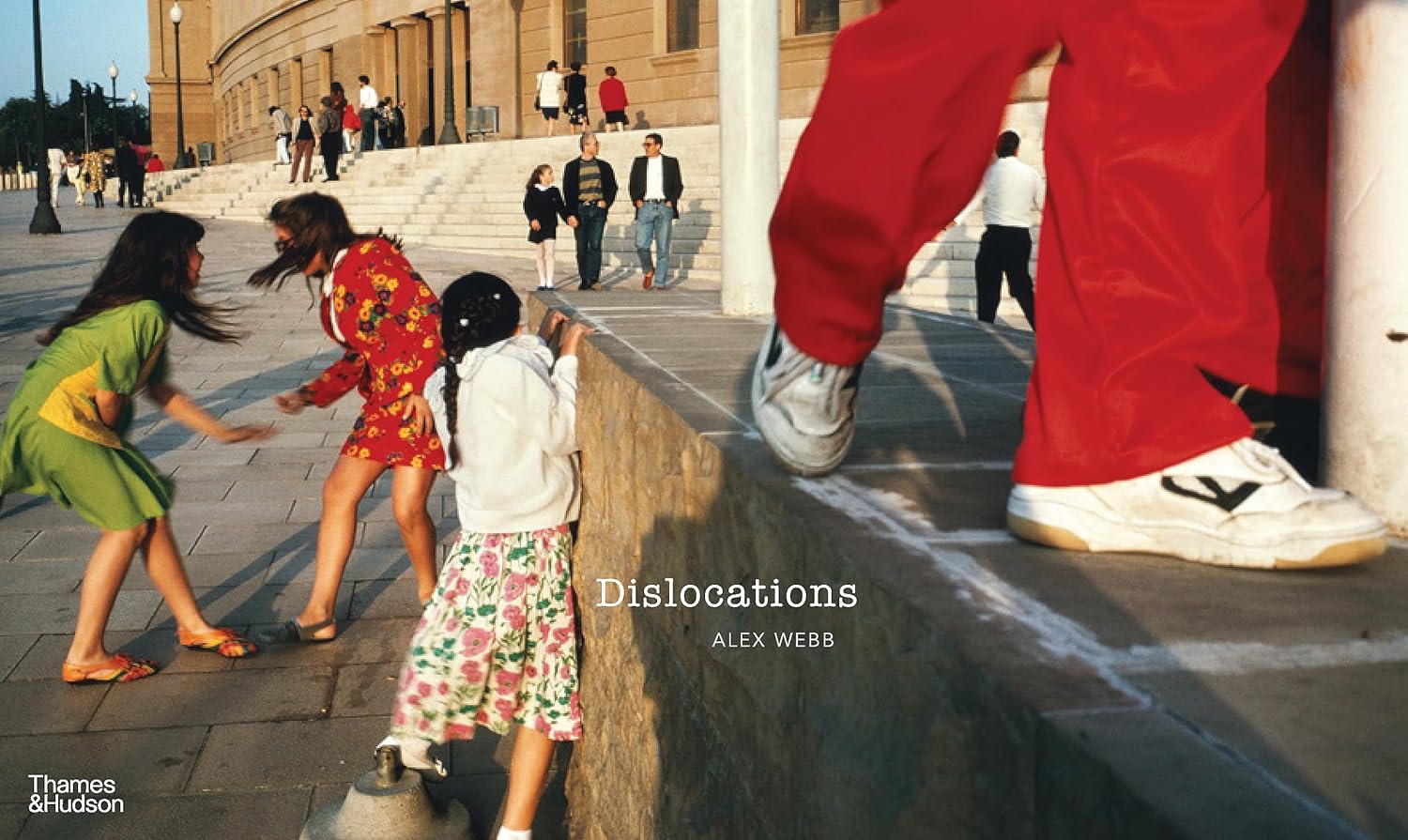
Dislocations by Alex Webb
Alex Webb is recognised as one of the pioneers of colour street photography. His images, shown to their full effect in this new edition of the book Dislocations, juxtapose gesture, colour and contrasting cultural tensions into a single resulting in images that offer a unique perspective on the world.
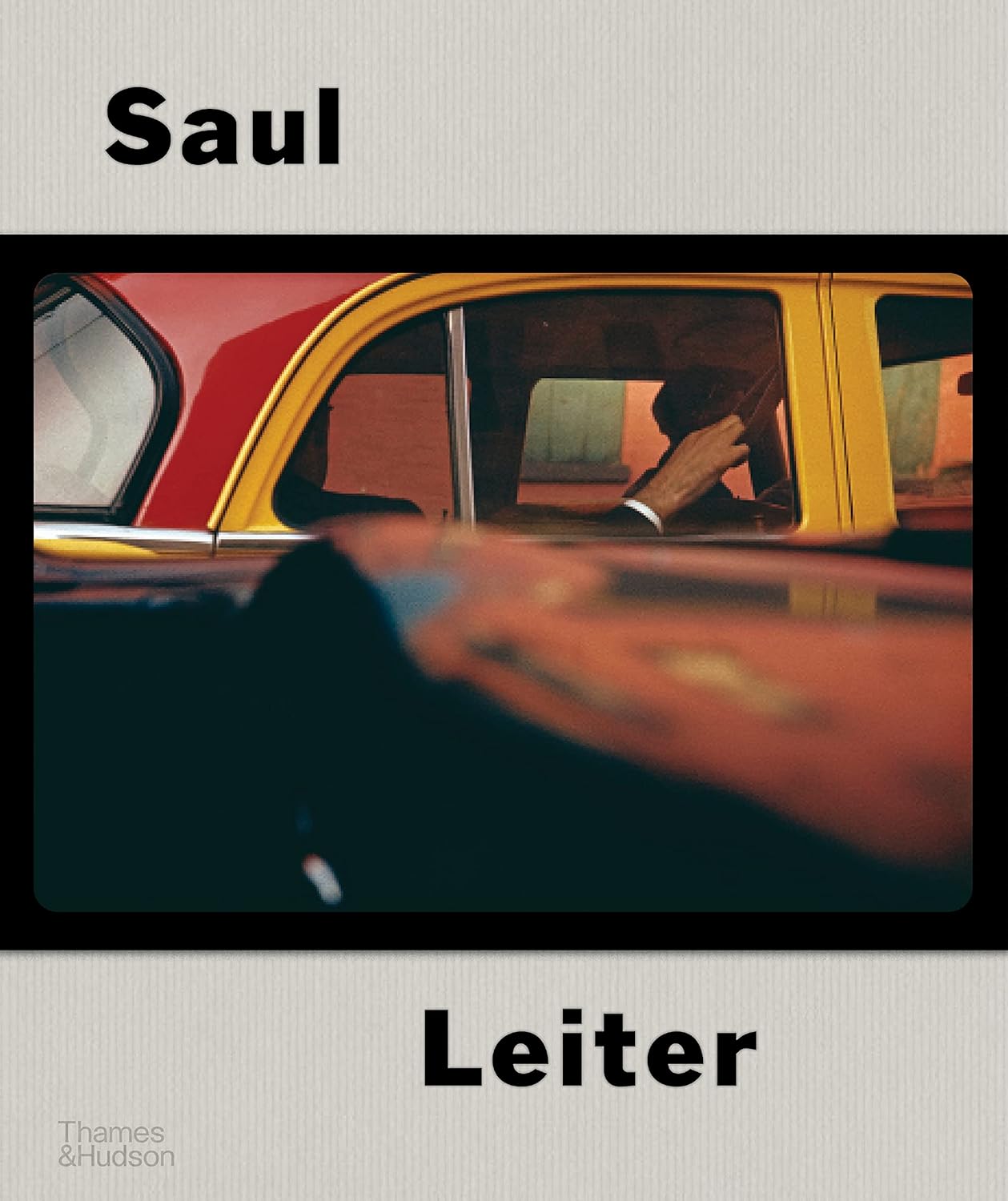
Saul Leiter – The Centennial Retrospective by Margot Erb & Michael Parillo
This is one of my favourite photography books of all time. Saul Leiter was an obsessive photographer. He photographed or painted nearly every day for over sixty years. Most of his images though were taken within a few blocks of where he lived in East 10th Street apartment. Even though he created thousands of images in a very small area each was fresh and different because he always managed to find unique perspectives in what he was photographing. This applies not just to his street photography but to his fashion and intimate nude portraits of his partner and her friends.
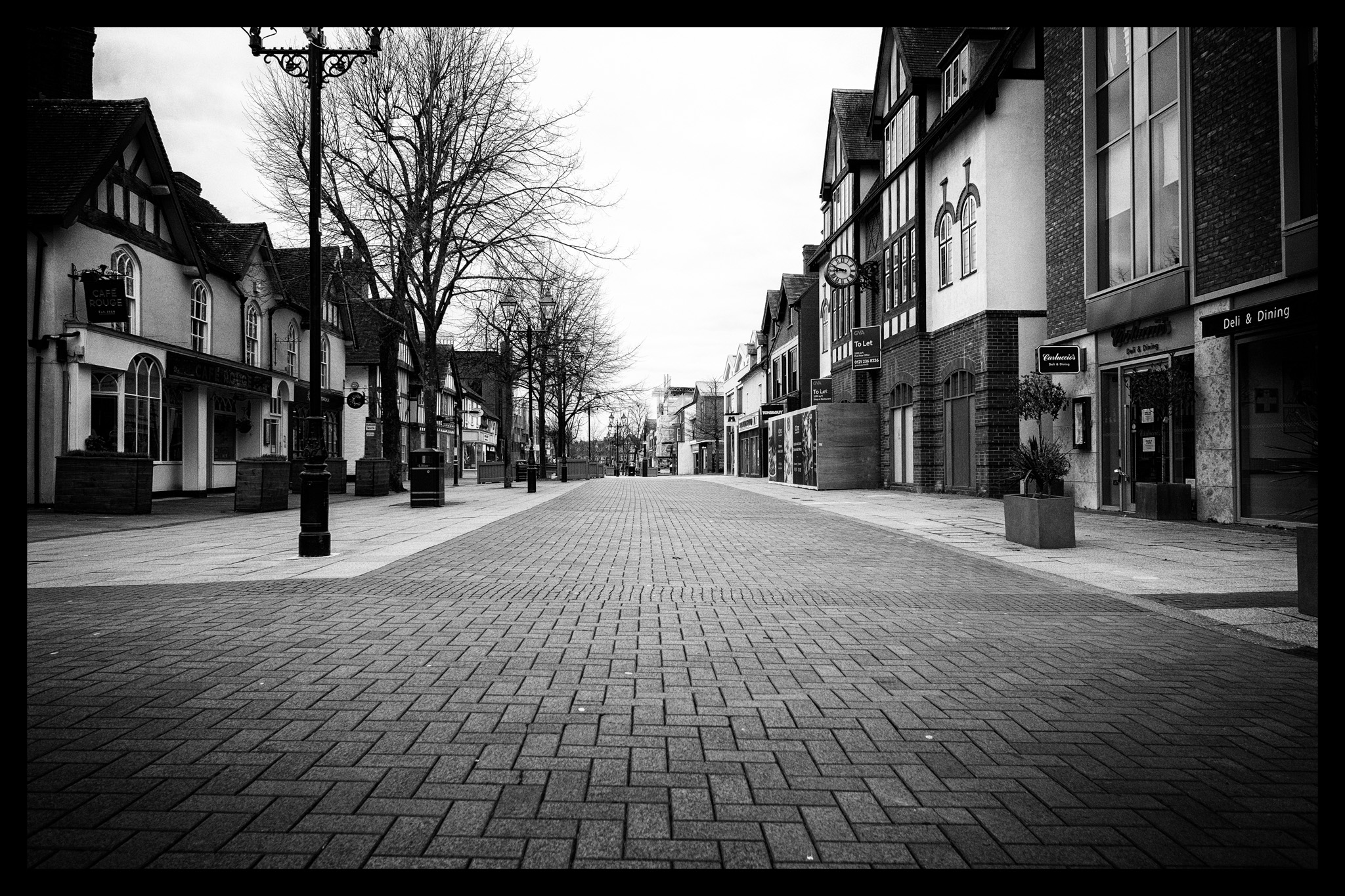
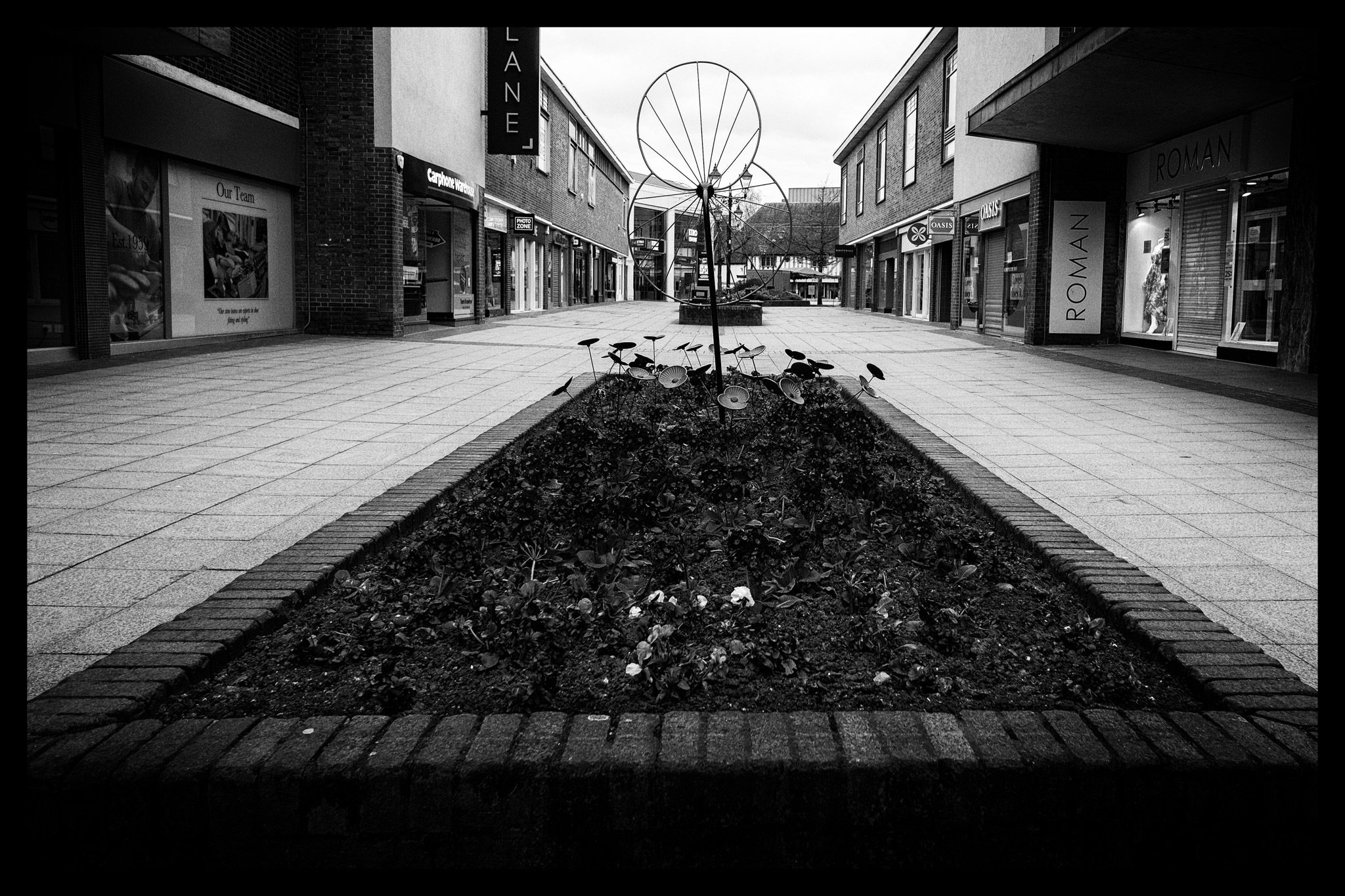
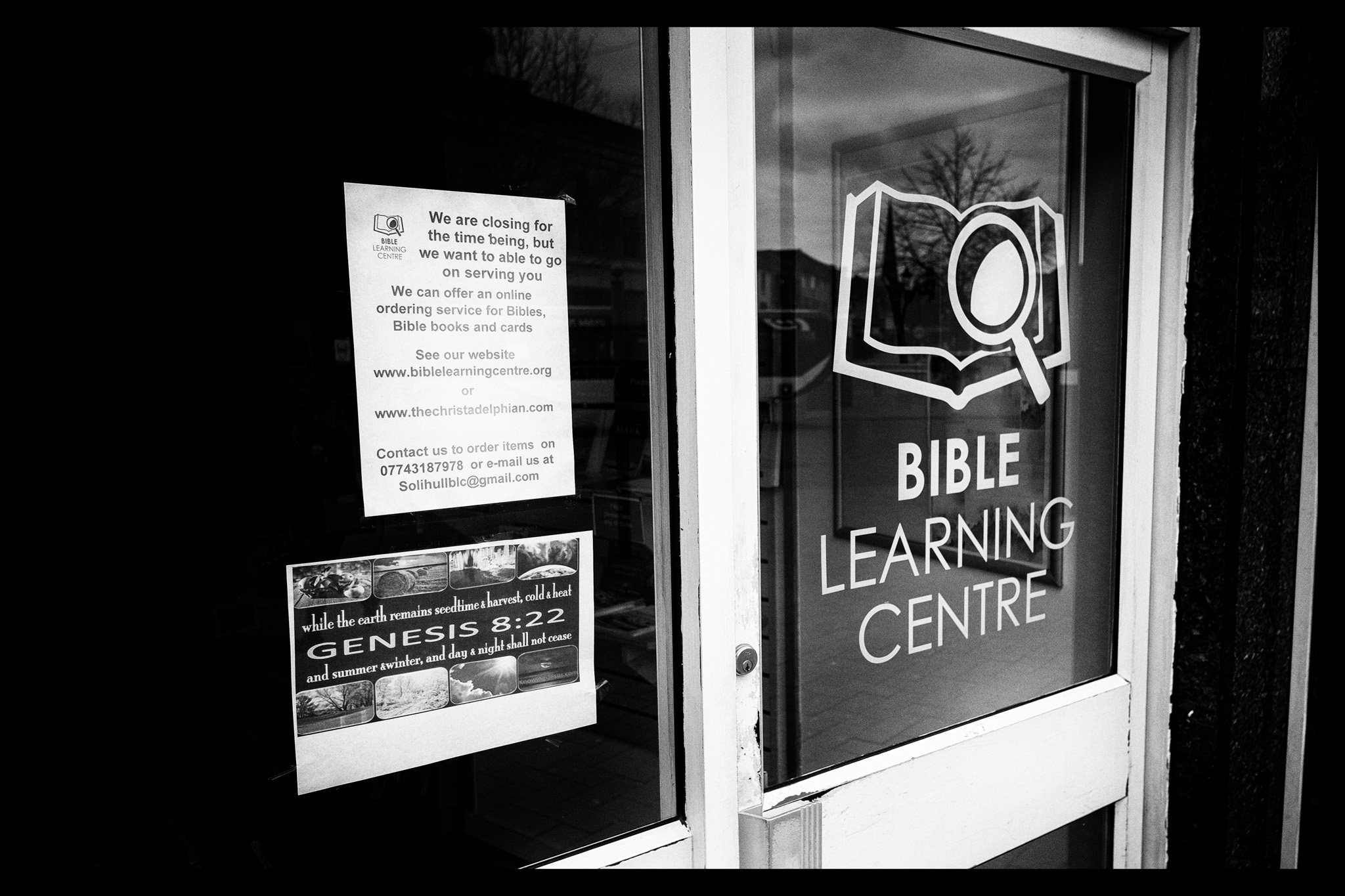
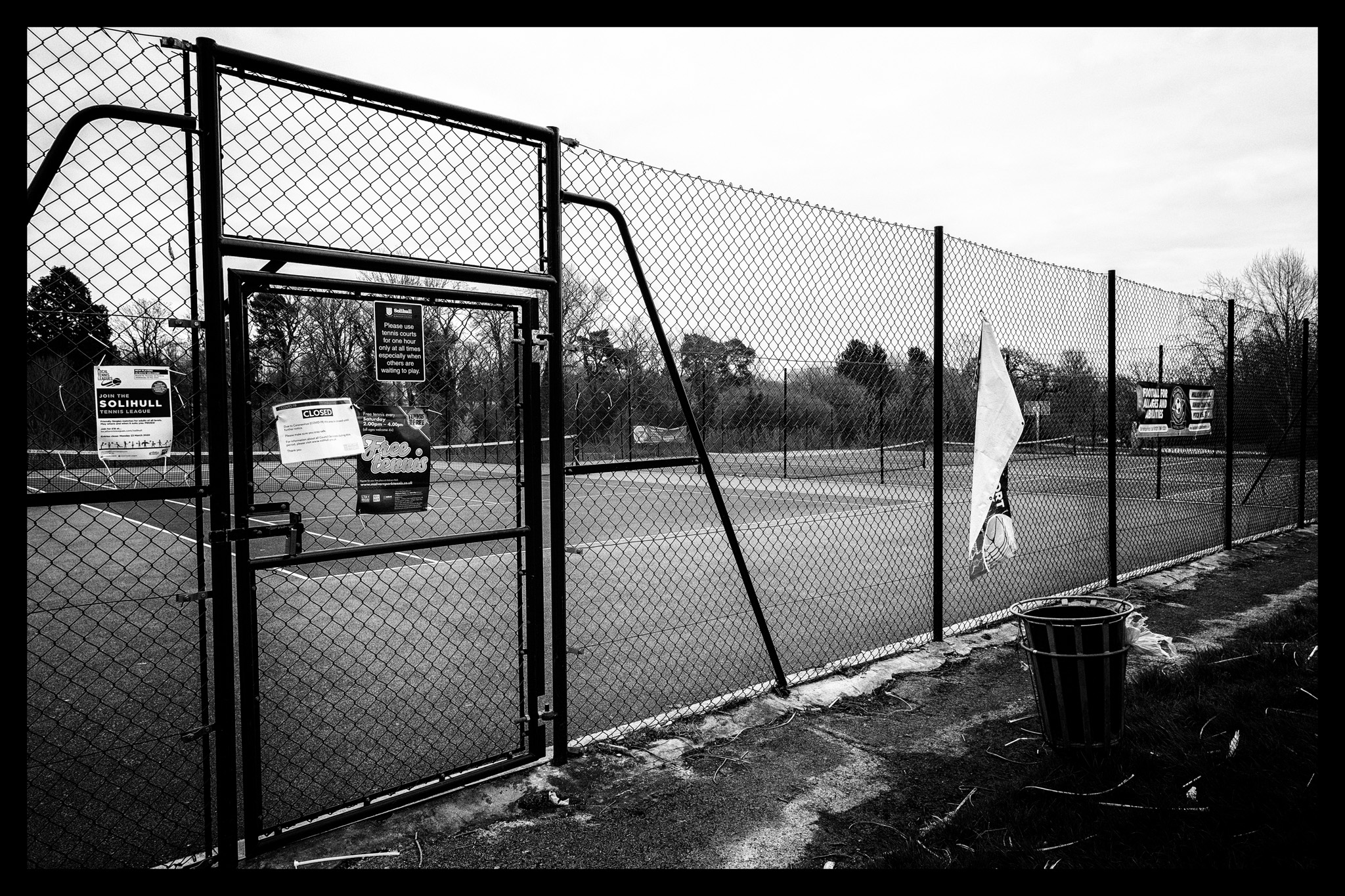
Here are a selection of images taken during lockdown in 2020 where you were almost forced into developing a different perspective simply because of the lack of the usual hustle and bustle of the streets.


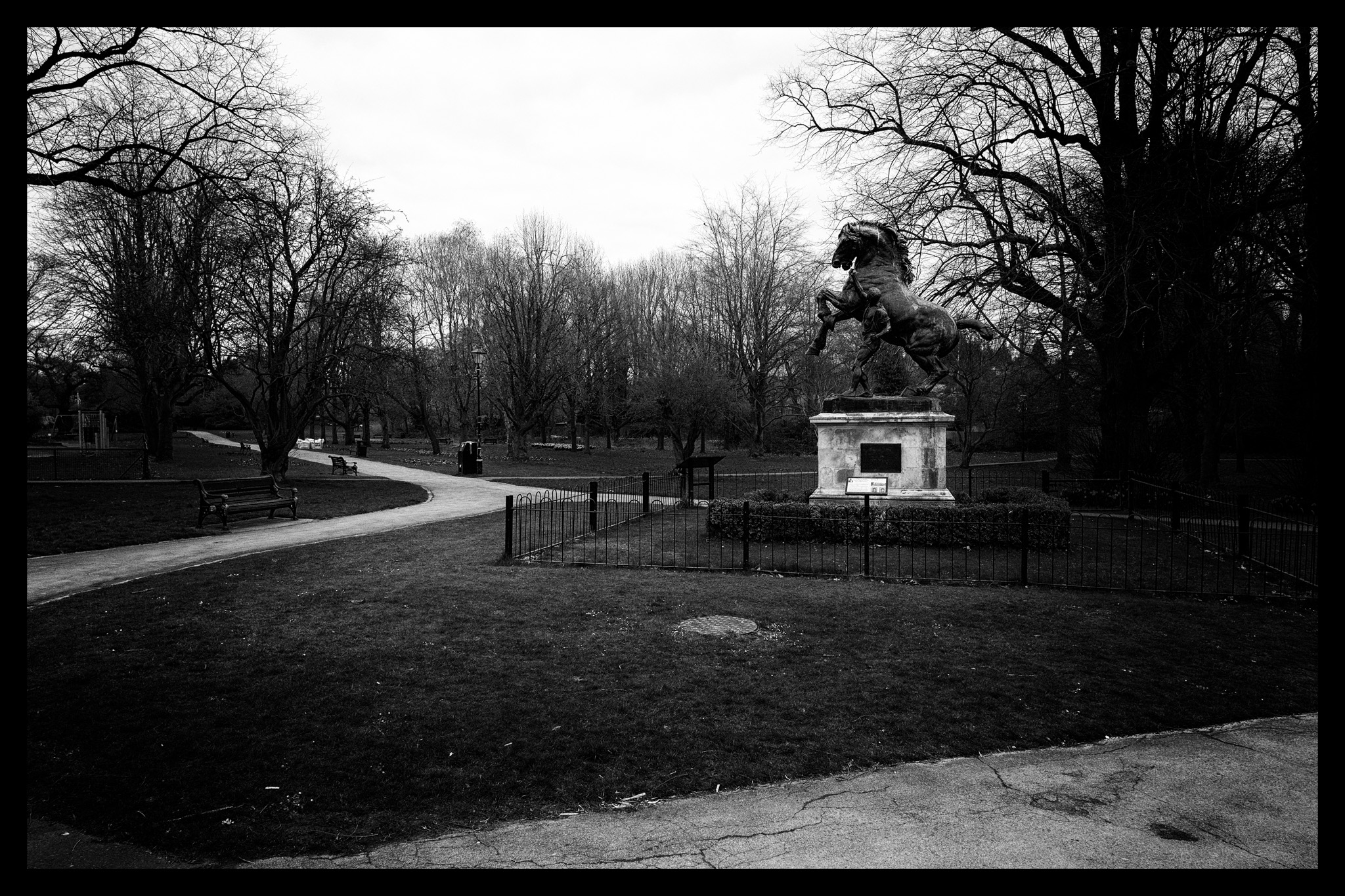



 Peter Cripps
Leave a comment