
“The most difficult thing is to make photos where you live. Because you start to find things normal.“
Harry Gruyaert
I’ve spent quite a bit of time over the past six months or so digitising old black and white negatives taken in the late 1970s and early 1980s. These were images I had largely forgotten about but had the sense to file and store carefully so they are still in good condition. Most of these images were taken probably within 10 – 15 miles of where I lived.
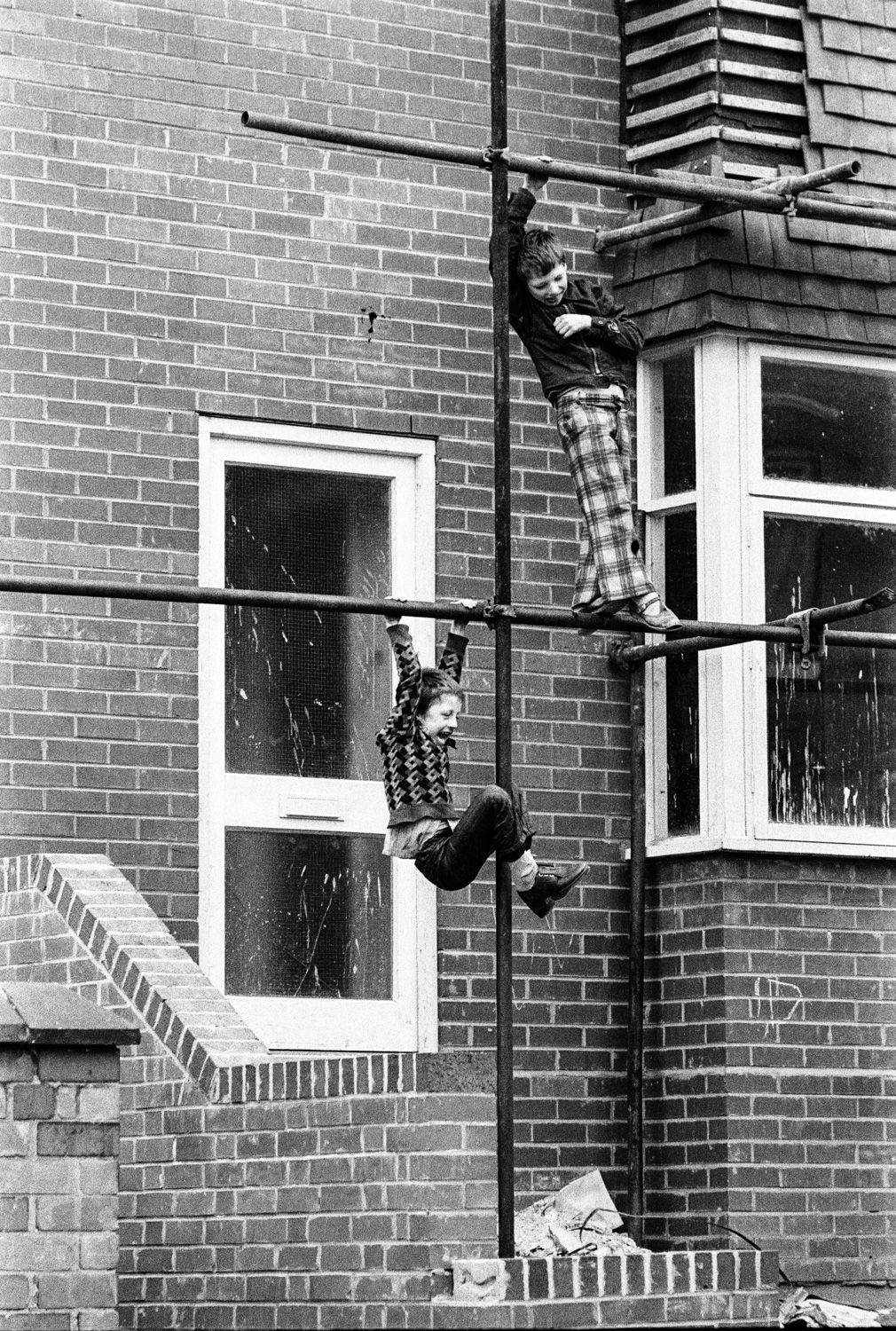
When I go back to look at those old images now I am first of all reminded at how much the world has changed. Whether it be in fashion, how kids used to roam the streets playing or how the general pace of life was more genteel with people chatting on street corners or just watching the world go by.
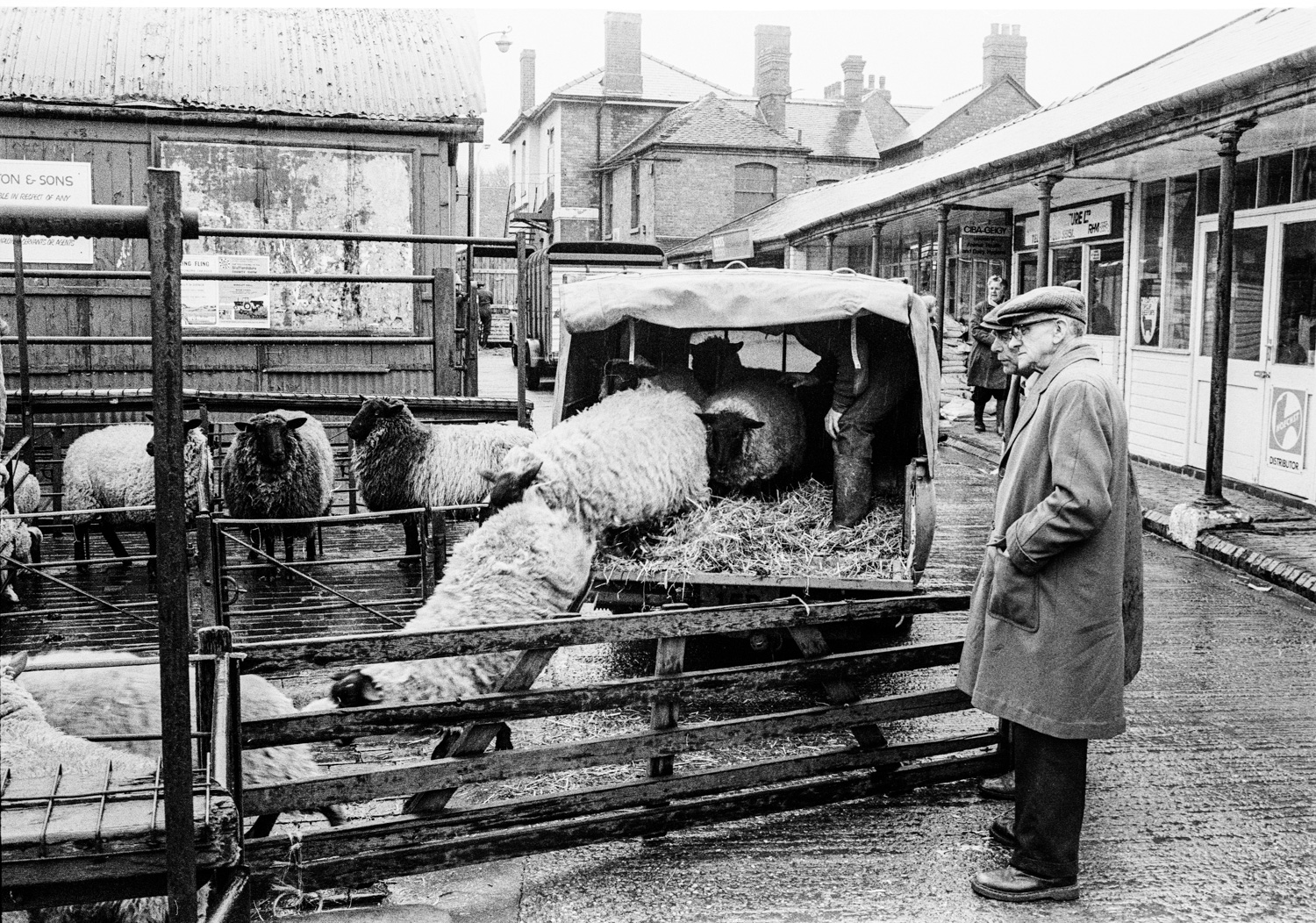
Secondly as a historical record many of the places I photographed have now changed beyond recognition or may have even disappeared altogether. What you are doing by photographing the everyday and the mundane is to capture slices of life that, in a few years time, people will look back on and be surprised or amazed at how things used to be or how they have changed.
There is no magic or secret to capturing the everyday aspects of the world. Simply go out there with your camera and be aware of what is around you. Even if you are not sure whether you should take an image, thinking it maybe worthless, take it anyway and decide when you get back home. The cost of making images is cheap in the digital age and you can always delete the image later if you decide it did not work. I would however discourage the deletion of too many images as you never know what might take on a new significance when you look back on images years later.
Sometimes as street photographers we worry about our “keeper rate”. How many of the images that you make are going to be ‘good enough’ to keep? I take the advice of the Canadian photographer David duChemin on this who says: “Forget your keeper rate. If your keeper rate is going up you’re not taking enough risks. You’re not challenging yourself enough.”.
Here are two books that focus on the everyday ordinary which are great examples of why, as street photographers, we should look to spend some time looking out for images which most people would not take a second glance at.

The Last Resort by Martin Parr
The book that transformed documentary photography in Britain and defined Parr as a leading photographer. Parr’s raison d’être is very much about pointing his camera in places that previously were not really covered by other photographers. Whether it be people out enjoying themselves at the beach or women and men at summer fetes.

Modern Color by Fred Herzog
Fred Herzog, a German born Canadian photographer, was known for his use of colour in the fifties and sixties when street photography was almost exclusively associated with black and white imagery. Herzog devoted his artistic life to walking the streets capturing the daily life and soul of his home city of Vancouver.
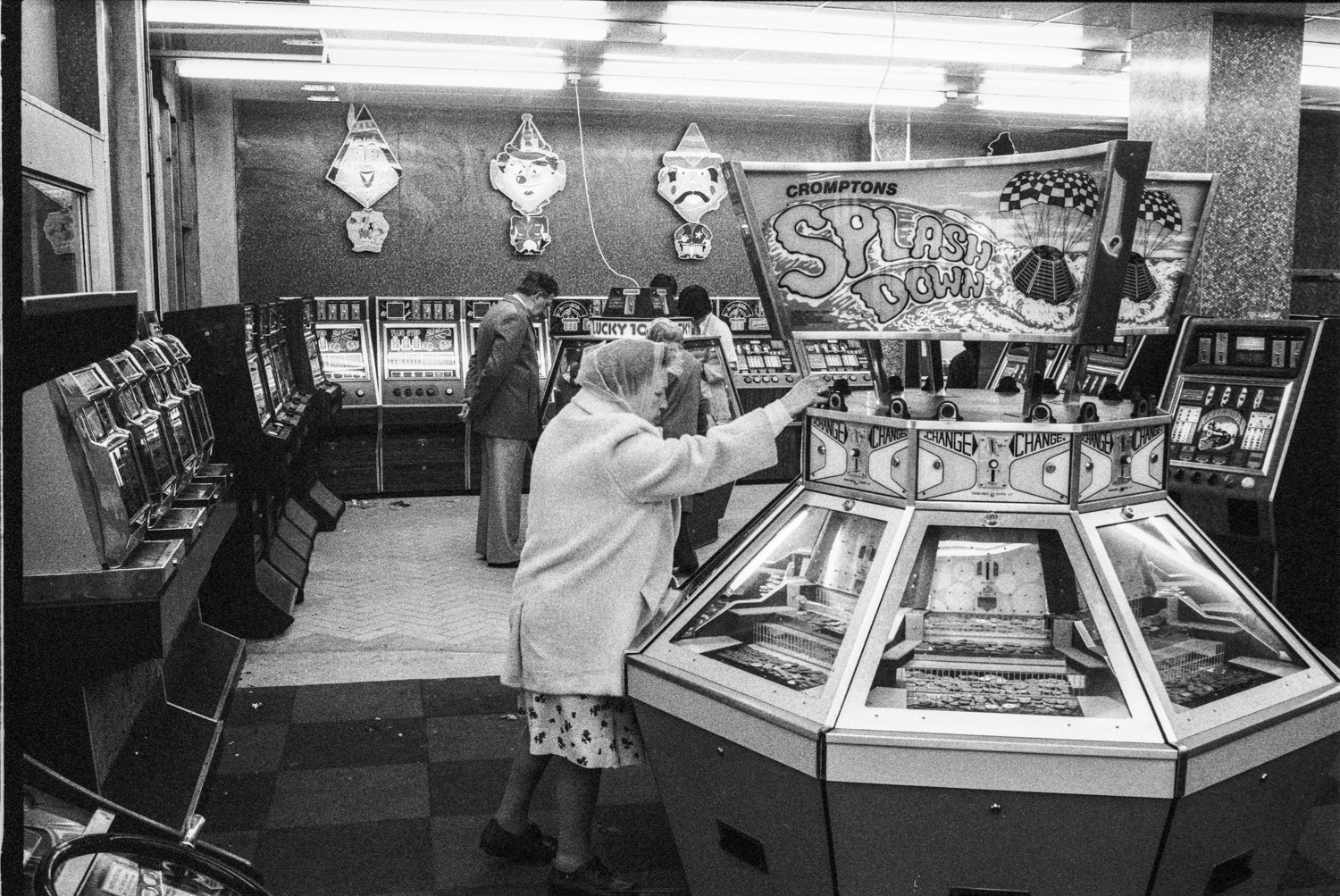
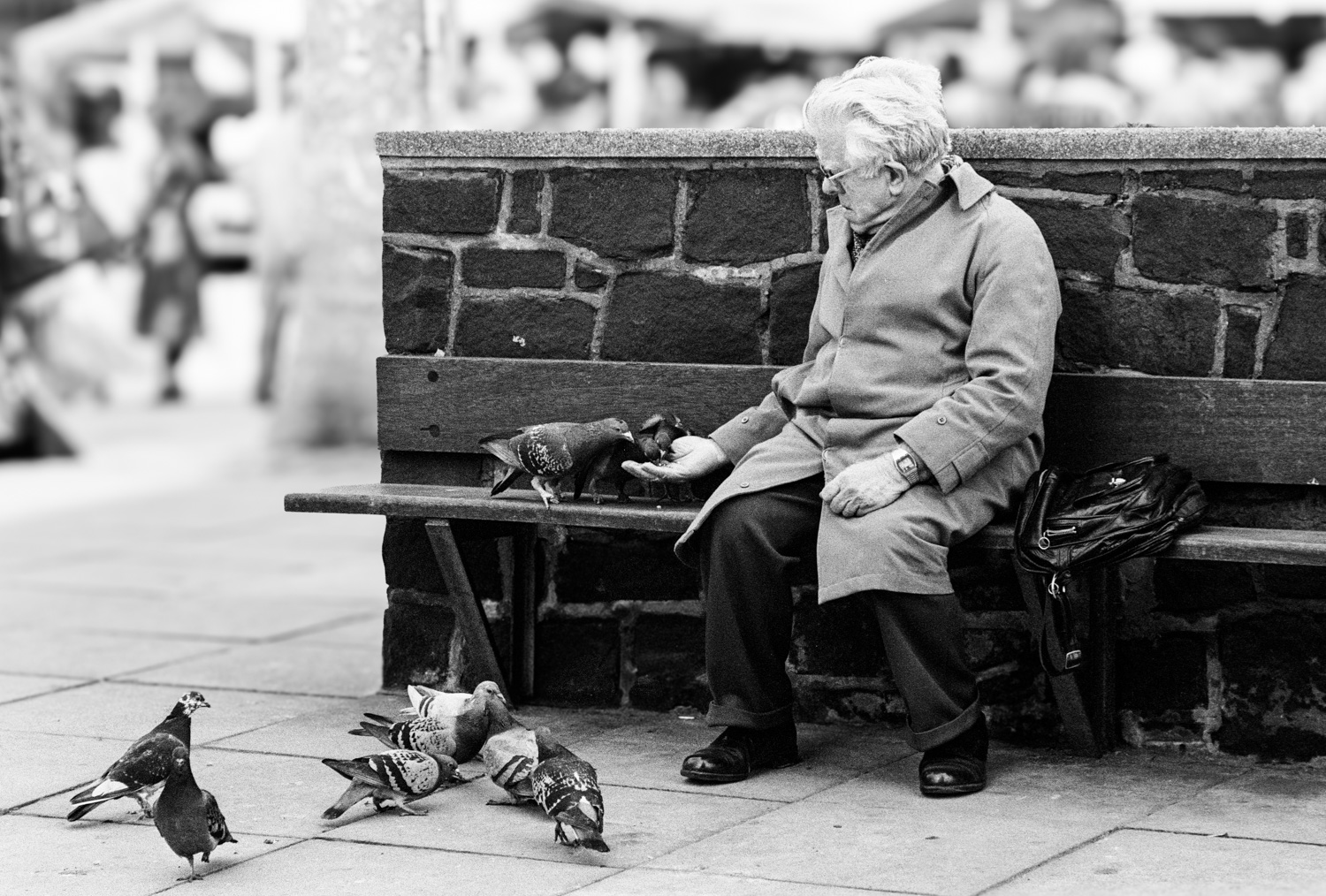
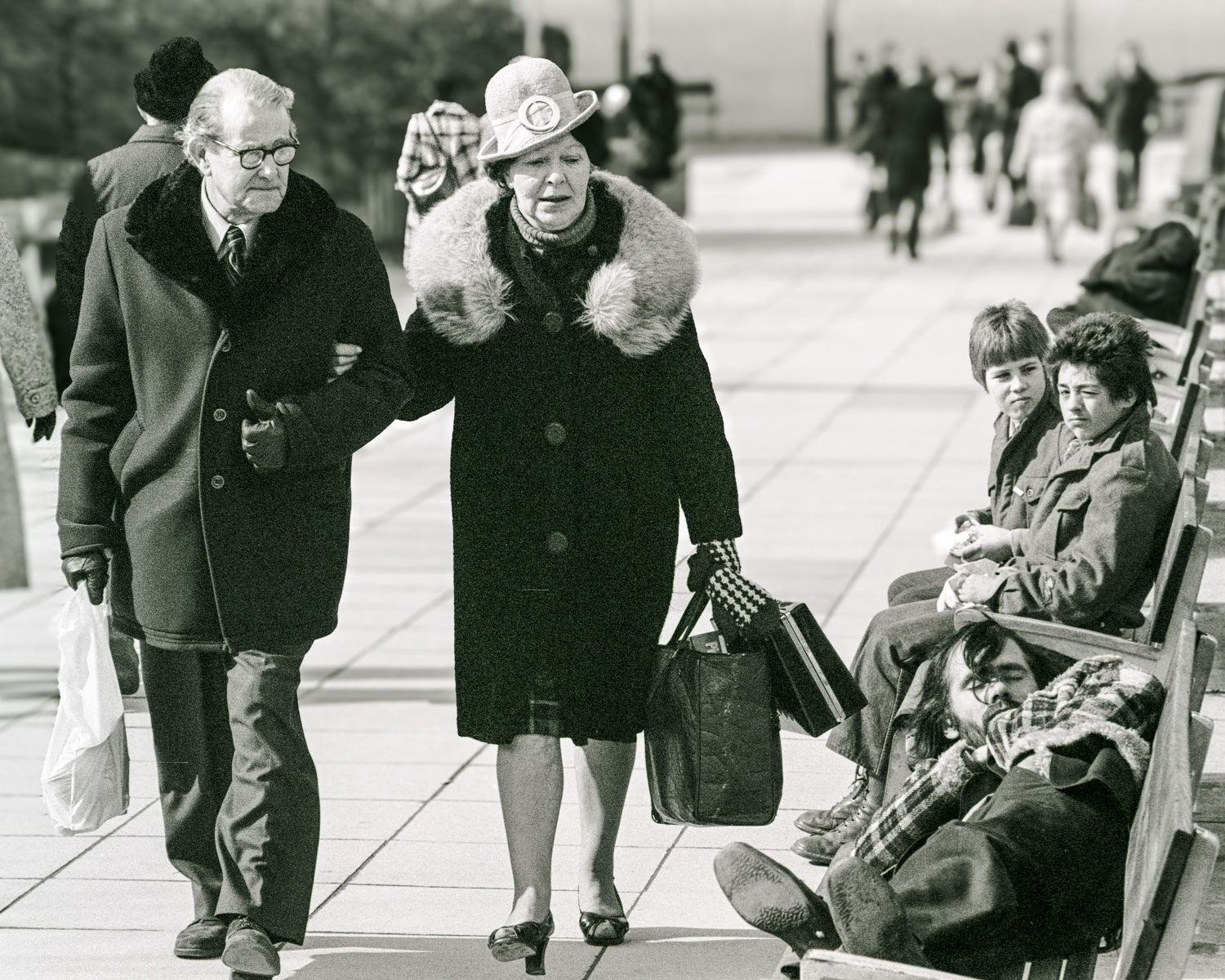
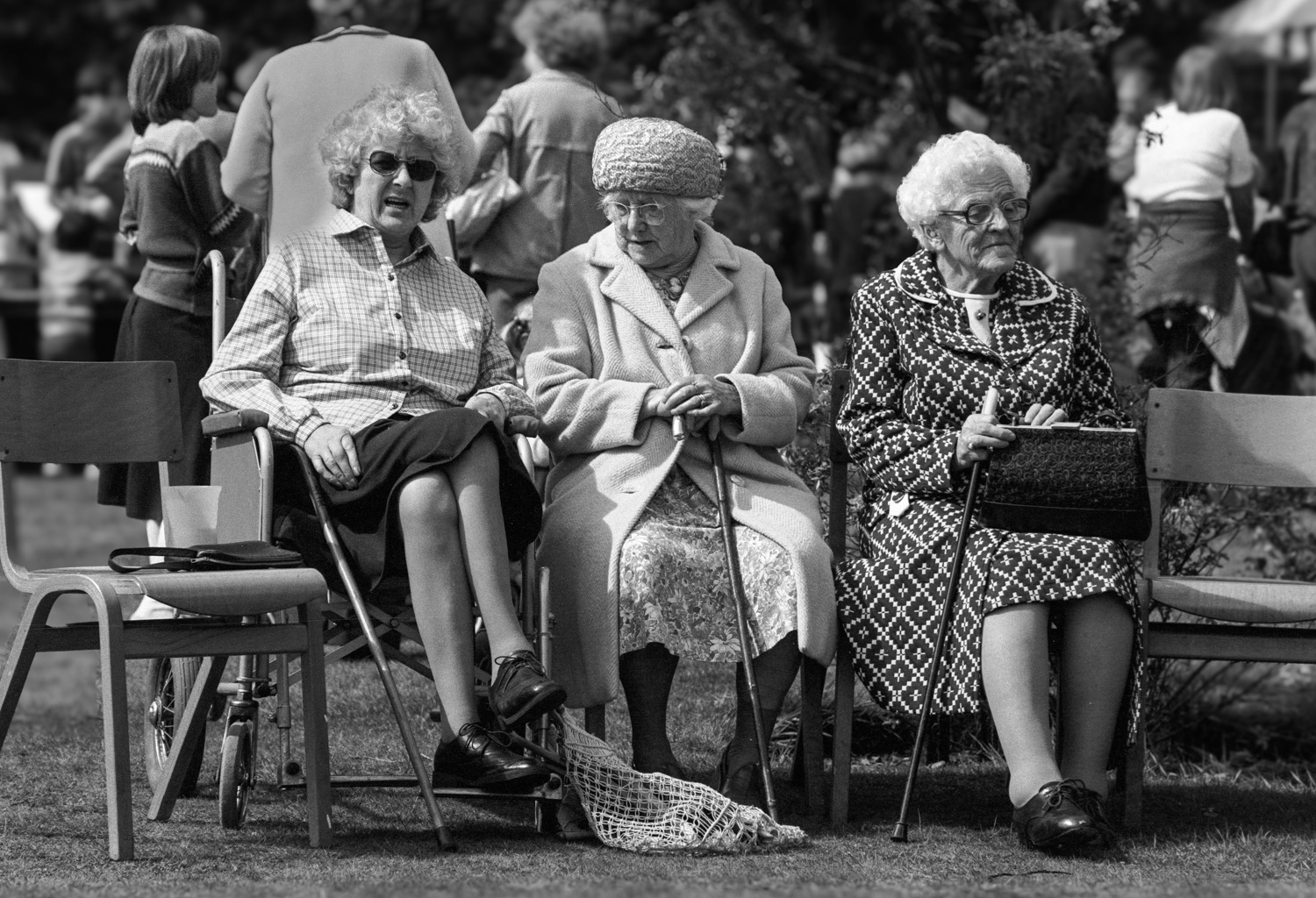
Below are a selection of those digitised images taken by me during the late 1970s and early 1980s. All taken locally and mostly, at the time, of ordinary subjects but which, I believe, take on a new significance when looked at over forty years later.





 Peter Cripps
Leave a comment