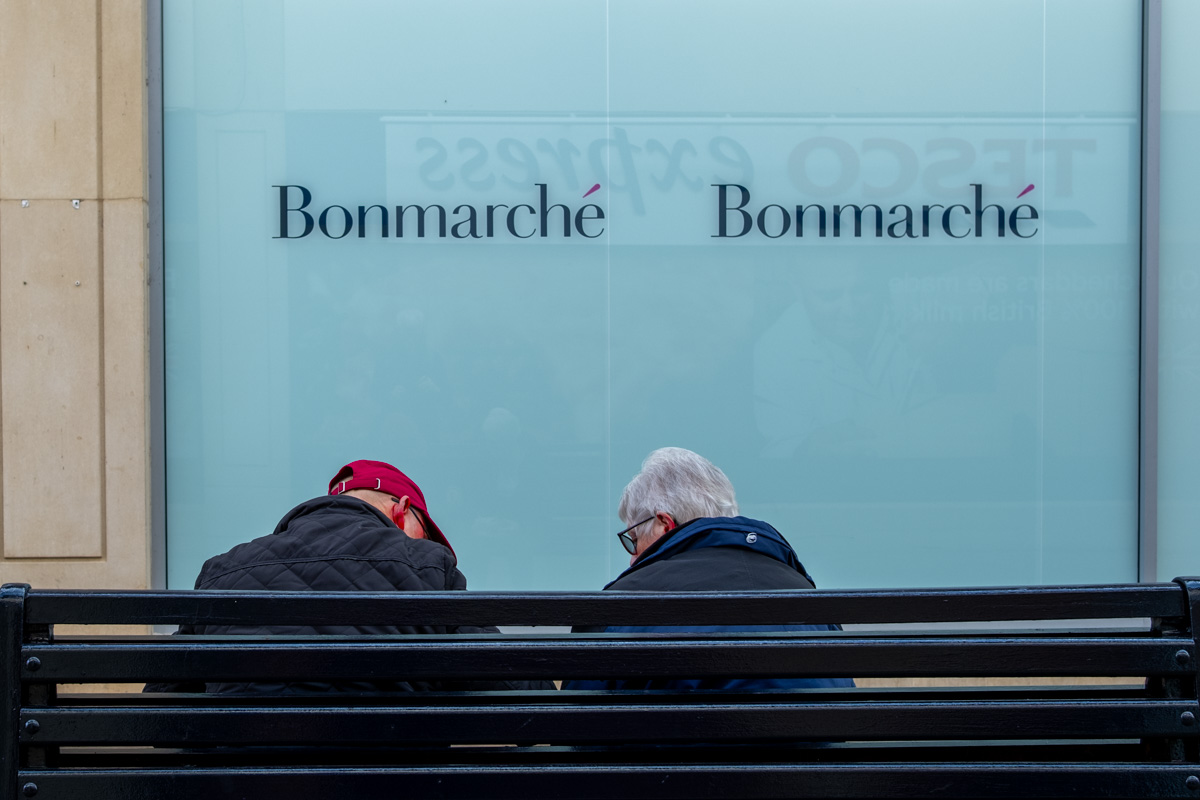
Whilst having choices might generally be thought of as a good thing there are times when this can work against you. Whether it be choosing which type of breakfast cereal you want, which colour of paint you should use on your living room wall or which variety of beer you want the barman to pour at your local, on occasions you can be overwhelmed by the options and either not choose anything or just stick with what you know works. Sometimes less really is more, especially when it comes to being creative.
The creative act is a complicated affair which is rarely something that can be pinned down or repeated on demand. If it were possible to turn on one’s creativity like a tap then presumably the world would be filled with great art, wondrous inventions and, possibly, nothing but delicious tasting breakfast cereal.
The reason I have been thinking about this is because lately I have been in a complete creative rut when it comes to photography. Paradoxically even though, in theory at least, I have more time than ever to devote to photography I seem to have actually done less this year than any years previously. I keep asking myself why is this and, more importantly, how do I break out of this creative ‘doom loop’?
In an attempt to get the creative juices flowing again I’ve gone back and looked at some of my old blog posts and also looked at some of my favourite bloggers as well as browsing through my collection of photography books. Whilst doing some of this research I revisited one of my favourite bloggers from a few years back, Ming Thein, who posted regularly from 2012 to 2020. One of the extensive sections of his blog covered his philosophy and opinions on all aspects of photography which I always thought were both original and instructive. Whilst I cannot claim to have read every one of Ming’s posts one of the things I took away from his work was his philosophy centred around having both a vision and a discipline as well as how to balance constraints to achieve that vision.
Sadly in August of 2020 Ming announced his retirement saying he’d “run out of things to say” and “there really isn’t anything meaningful which we have not covered on this site in the usual rational, systematic fashion”. Happily, for now at least, mingthein.com is still available for others to learn from his words of wisdom. The site certainly gave me a lot of creative inspiration over the years I followed it so I thought now was time to return to putting some of Ming’s philosophy into practice again. In this post I’m going to start with how imposing constraints on your photography might actually help with your creative vision.
A constraint is a limitation or restriction placed on something or someone. Given that modern digital cameras seem to provide you with an endless amount of options for shooting, and that’s even before you think about what you are going to shoot, it’s hardly surprising that for some, those options can be overwhelming. The idea of imposing constraints is so that by forcing yourself to think less about how you are going to shoot you can think about what you are shooting and hopefully get into a creative flow*.
I figured I had nothing to lose by trying this so this week set myself a small project to give it a go.
For the purpose of this mini-project I decided to concentrate on five principles (or axioms) to constrain my options for capturing images:
- Use the minimum of gear.
- Limit the time I would take to photograph.
- Use (the equivalent of) one roll of film (i.e. 24 or 36 exposures).
- Concentrate on one subject.
- Fix my camera settings.
To conform to these axioms here’s what I decided to do:
- Use one camera (Fujifilm X-Pro3) and one lens (Fujinon XF23mm F2).
- Limit my time spent photographing to 30 minutes or
- limit the number of images to 24 exposures.
- Concentrate on the color red in making street images.
- Use a fixed shutter speed (1/125s) and aperture (F5.6) with variable ISO.
Of course there are many more constraints I could have given myself, shoot in JPEG, use images as they come out of the camera, no or minimum editing etc. You are free to choose whatever constraints you want – the above are my five.
One of the interesting aspects of working like this is that for many of the photographic ‘greats’ constraints were not so much a choice as a given. Back in the 40s and 50s camera technology was nowhere near what it is today and yet these photographers still managed to produce magnificent work that has stood the test of time.
Take, as an example, the German born, Canadian photographer Fred Herzog who was an amateur photographer with a day job and therefore constrained to taking images outside work hours. This he did actively for several decades starting in the mid-50s. Although Herzog travelled to over 40 countries in his life, a large part of his work was produced tramping the streets of his adopted hometown, Vancouver in Canada. Herzog shot in colour using Kodachrome film (unusual for a street photographer of that time) and Leica and Nikon cameras.
Then there was Saul Leiter, also famous for his (New York) street photography but maybe lesser known were the images he made in his various apartments over a period of 30 years. These were a series of intensely personal images of wives, lovers and friends in various states of undress. All are in black and white, many of them giving the impression of being unguarded moments, all taken in natural light with no regard for arranging furniture or props. These are very much raw and unposed images taken by someone who clearly has an intimate rapport with his subjects. The constraints he worked with (i.e. black and white film, same apartment, same subject, same lighting) clearly show someone who is not too worries about any of the niceties of technical shooting.
So, returning to my ‘creative constraints’ project, how did I do? Below are the results.
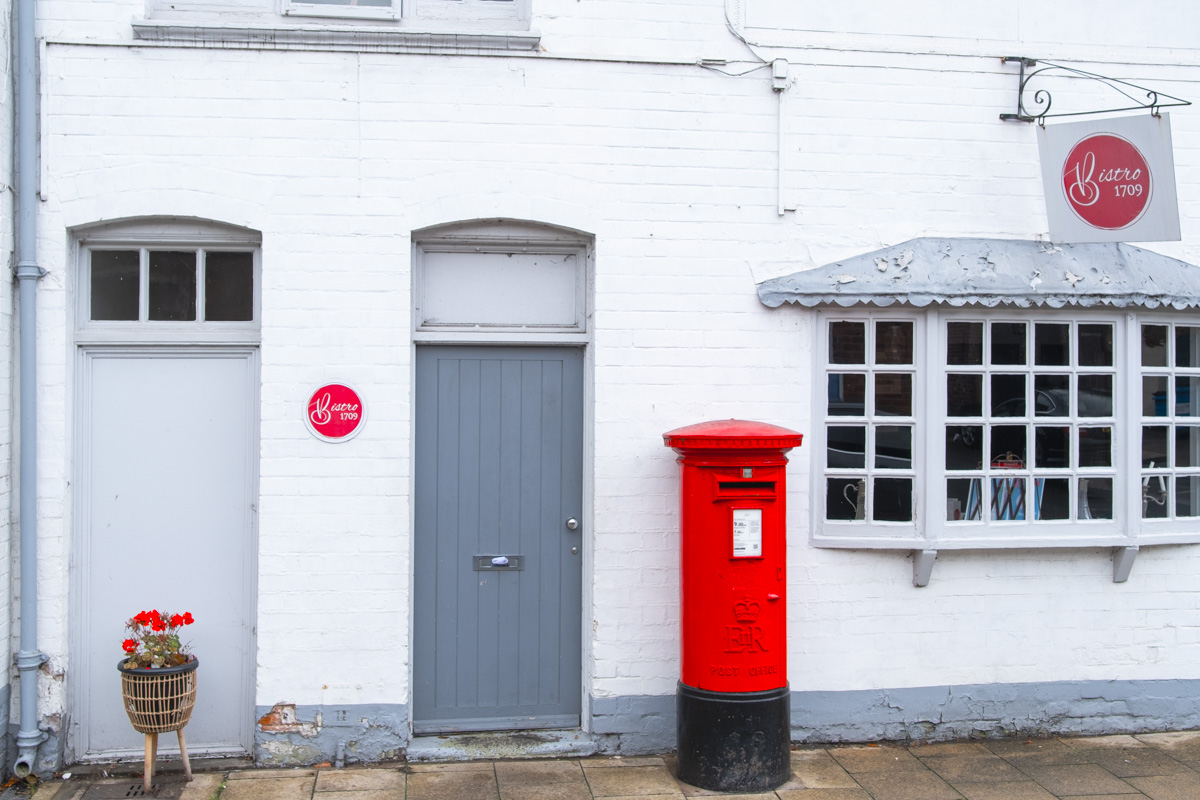
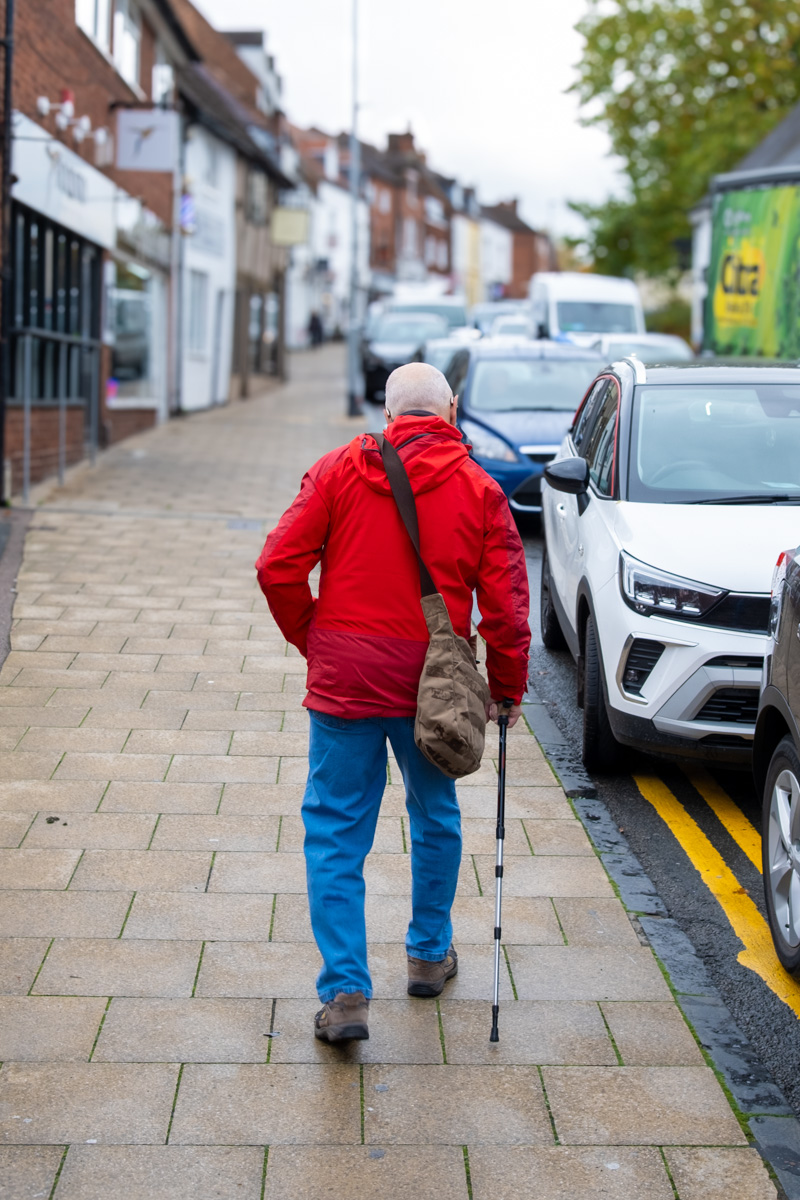
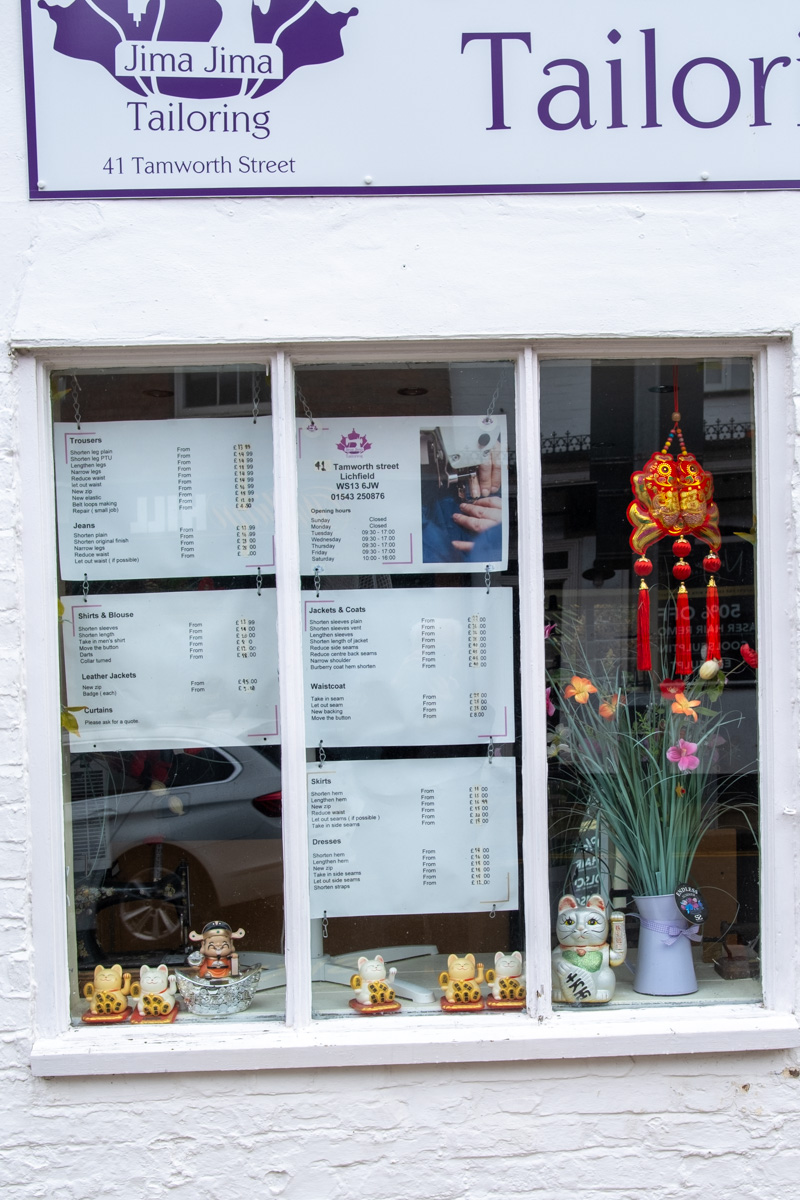
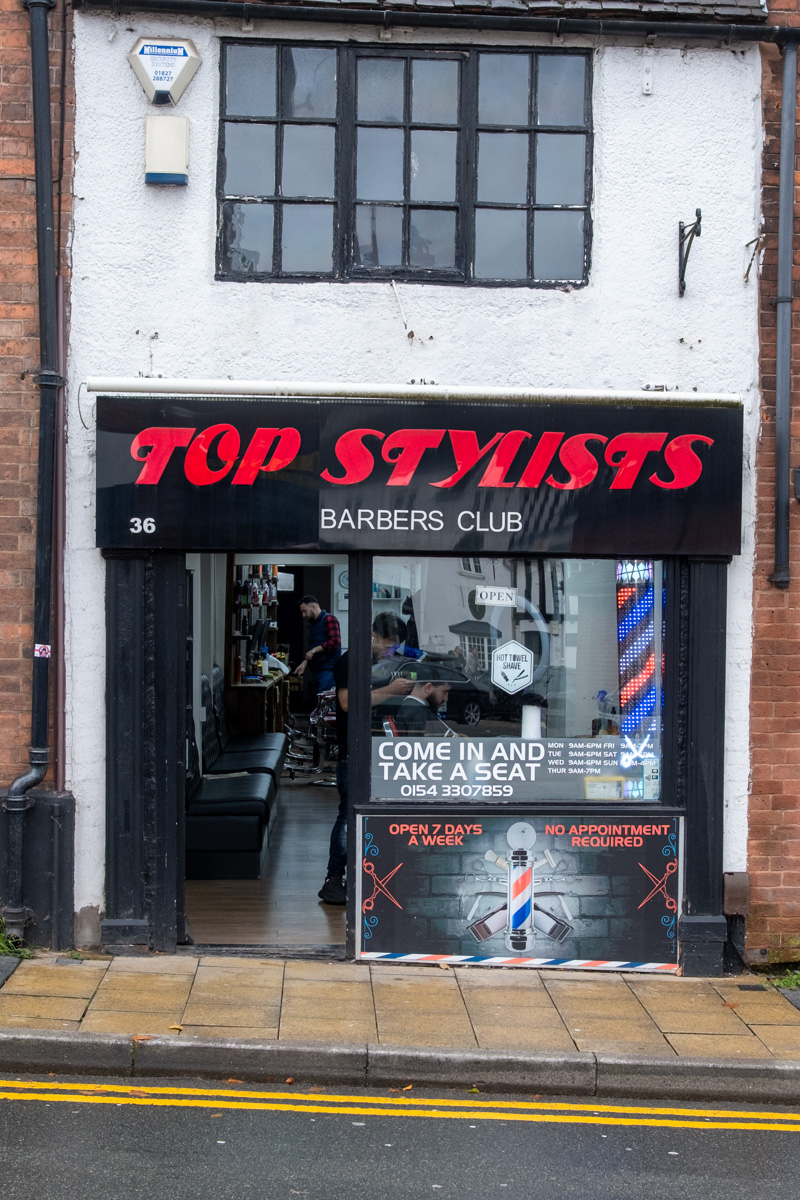
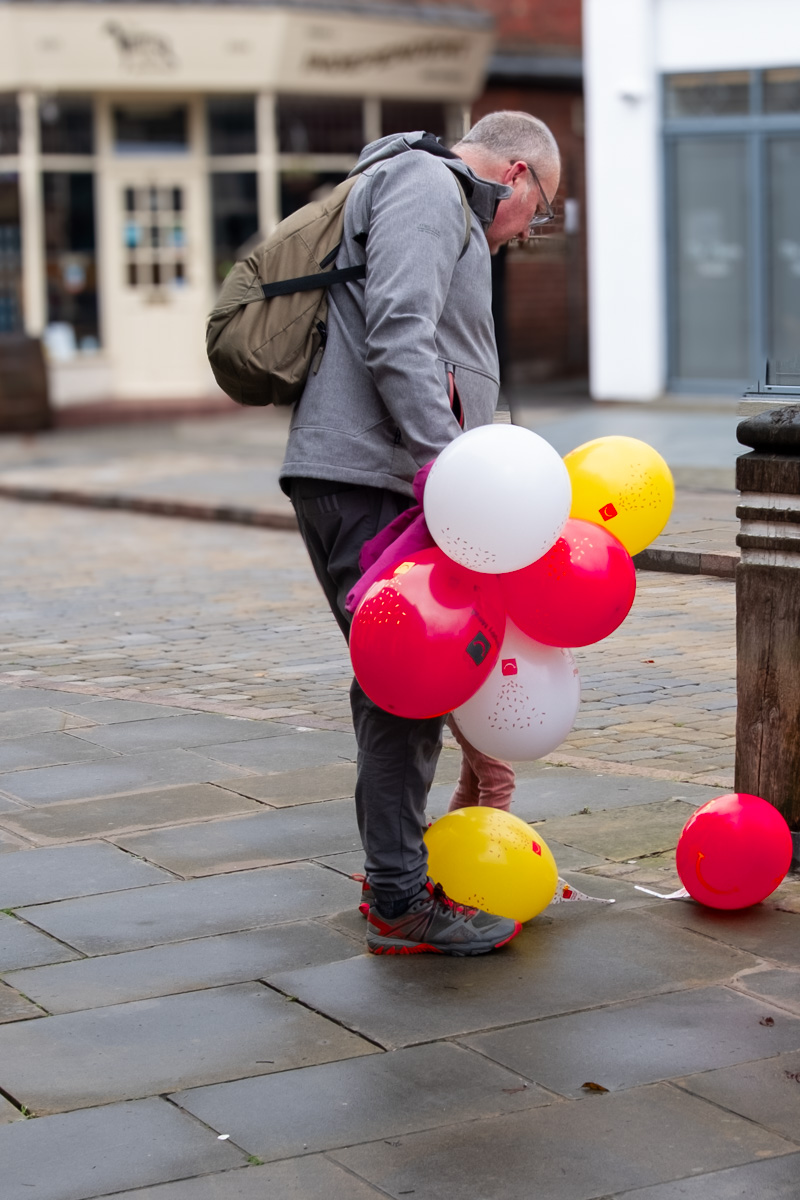
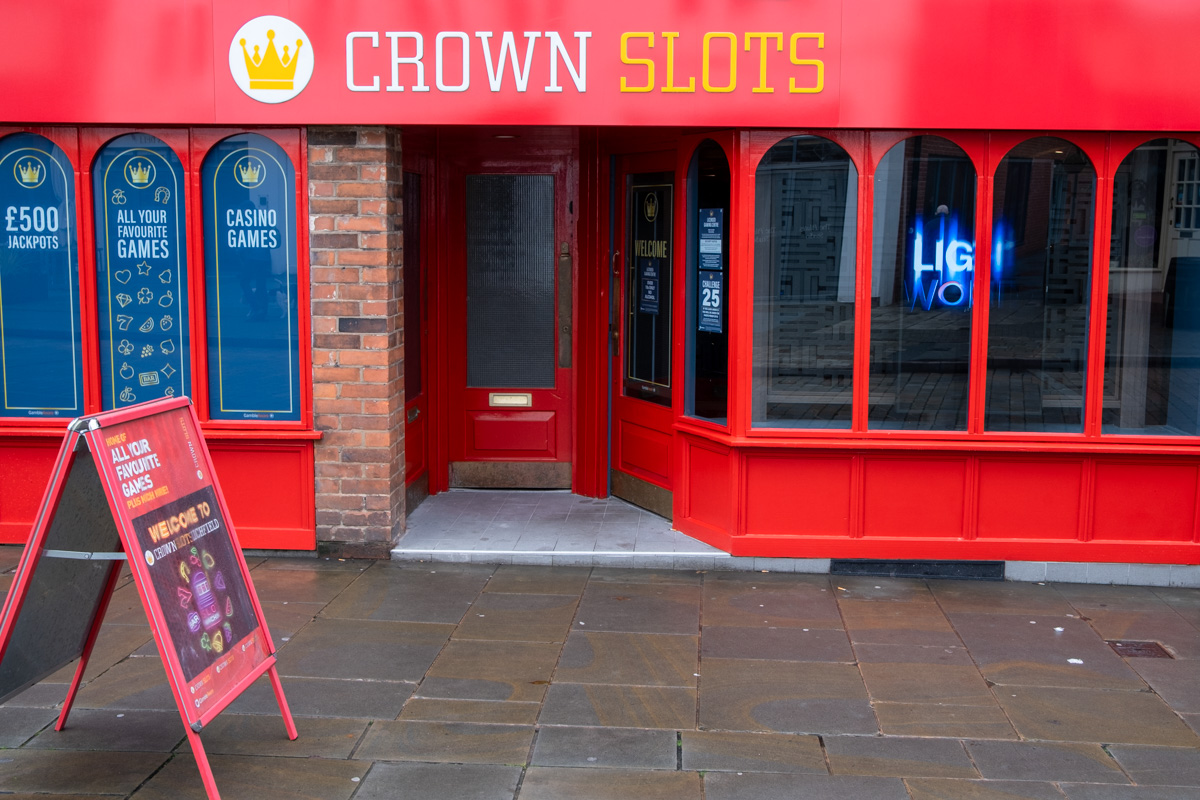
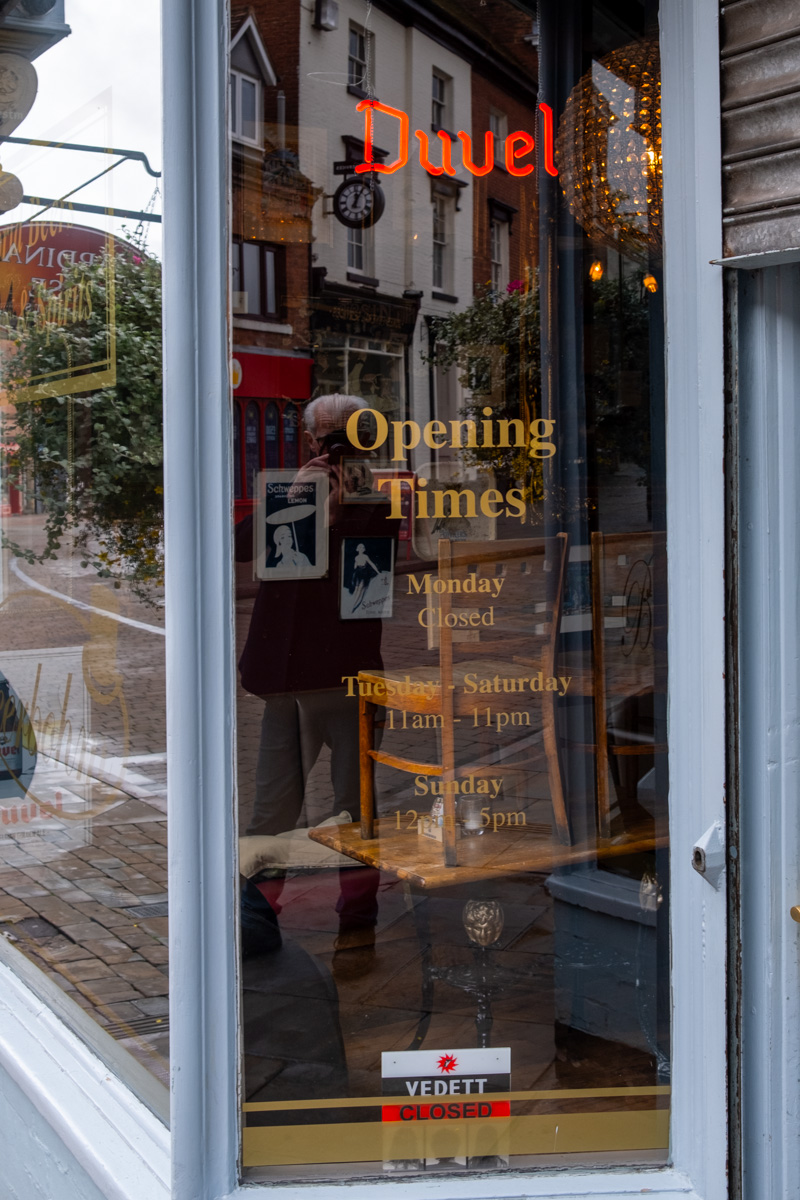
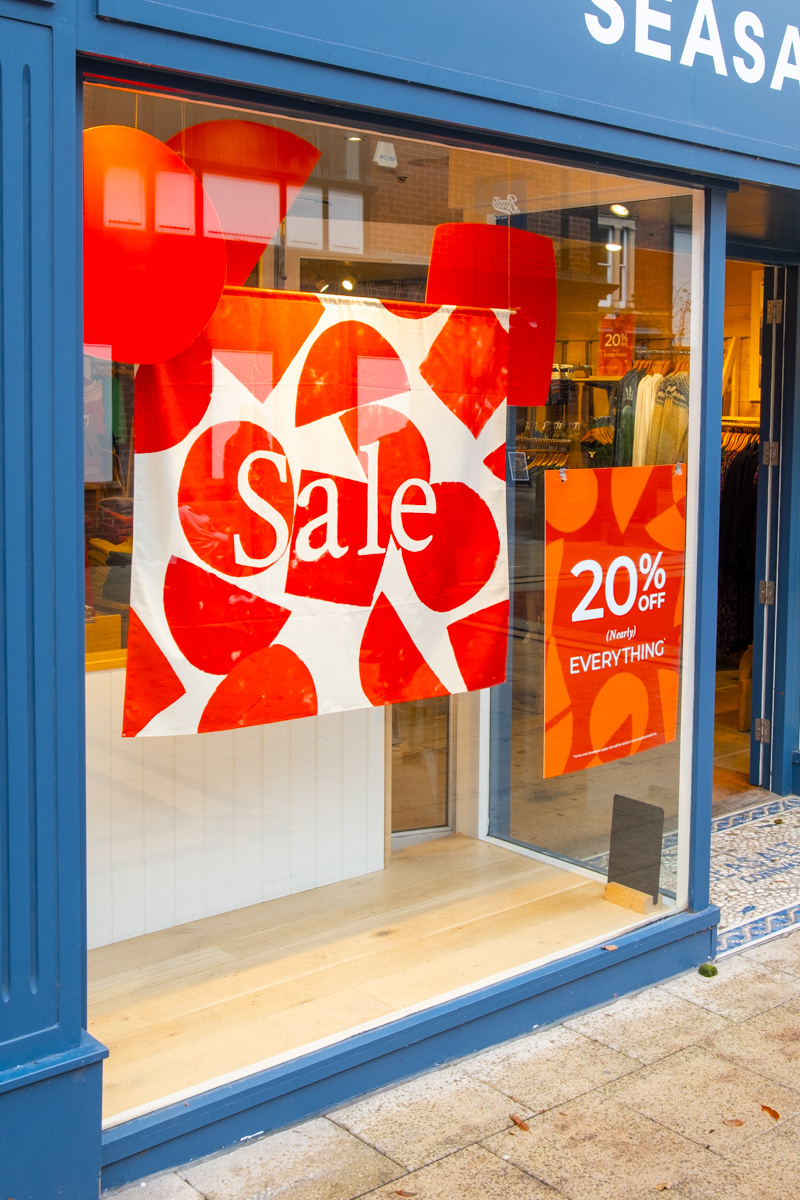
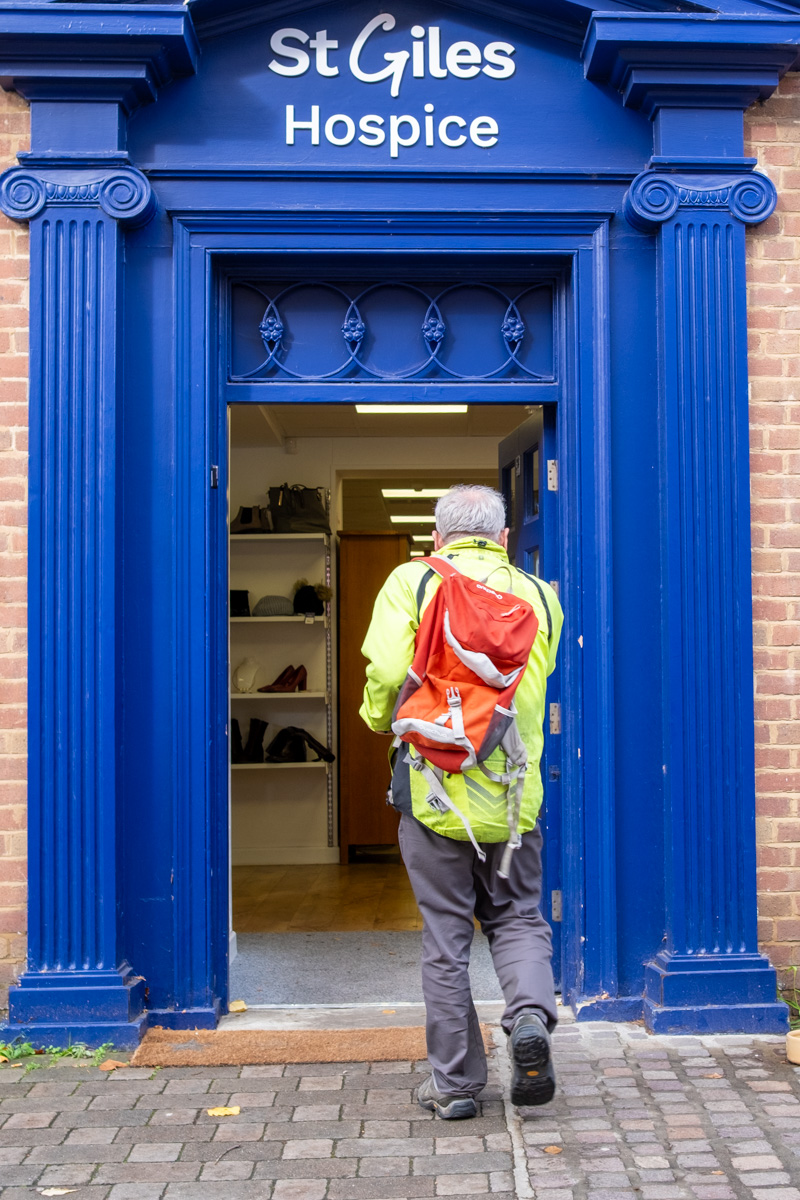
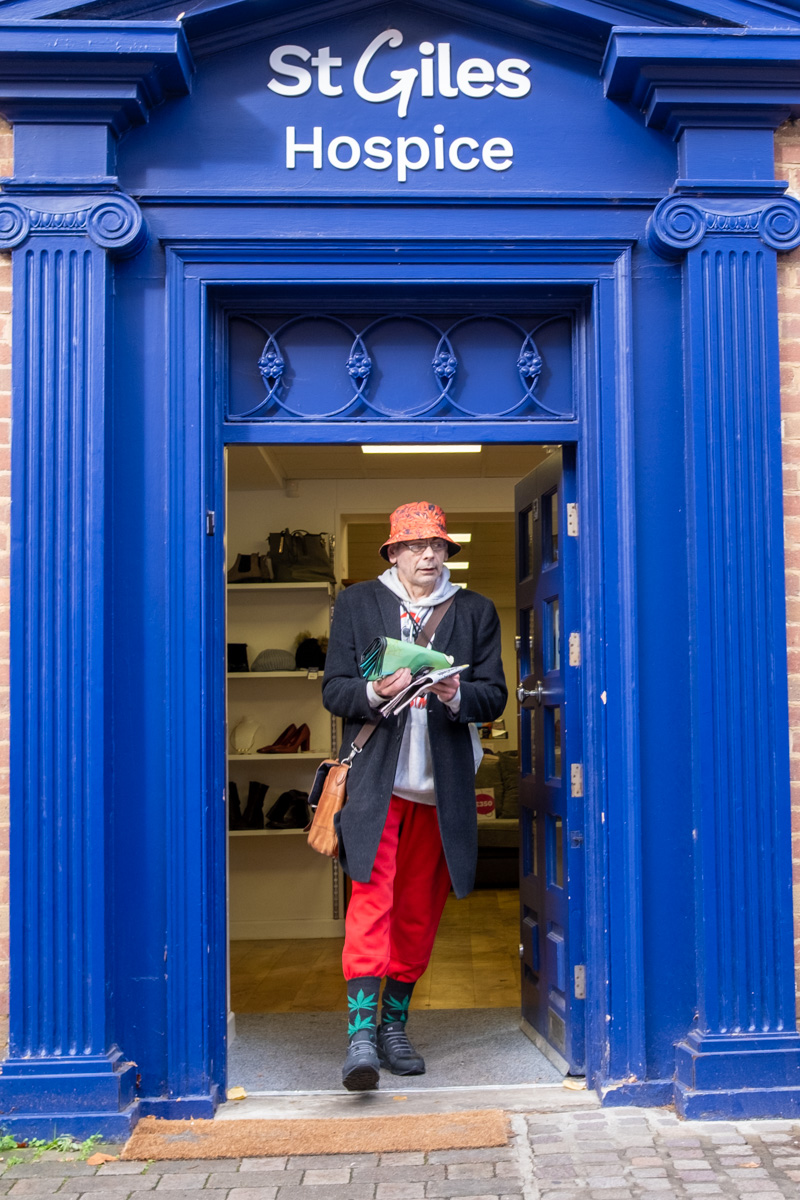
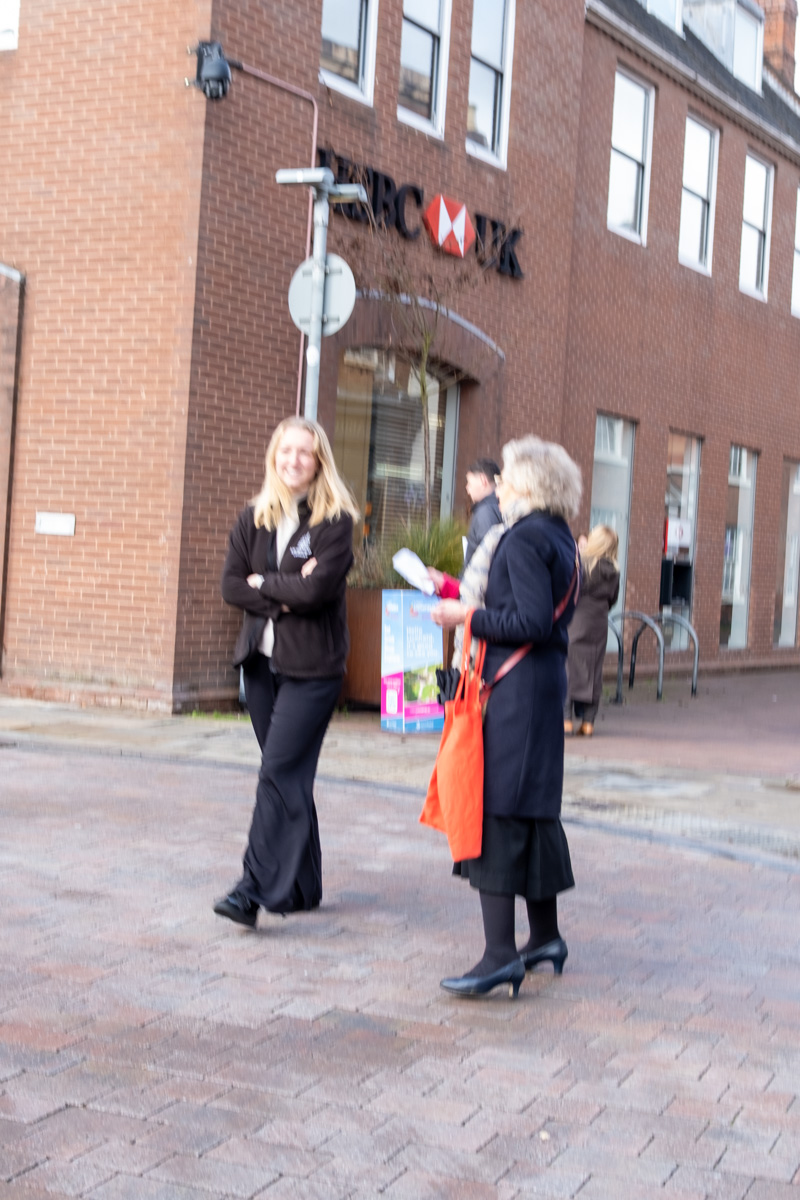
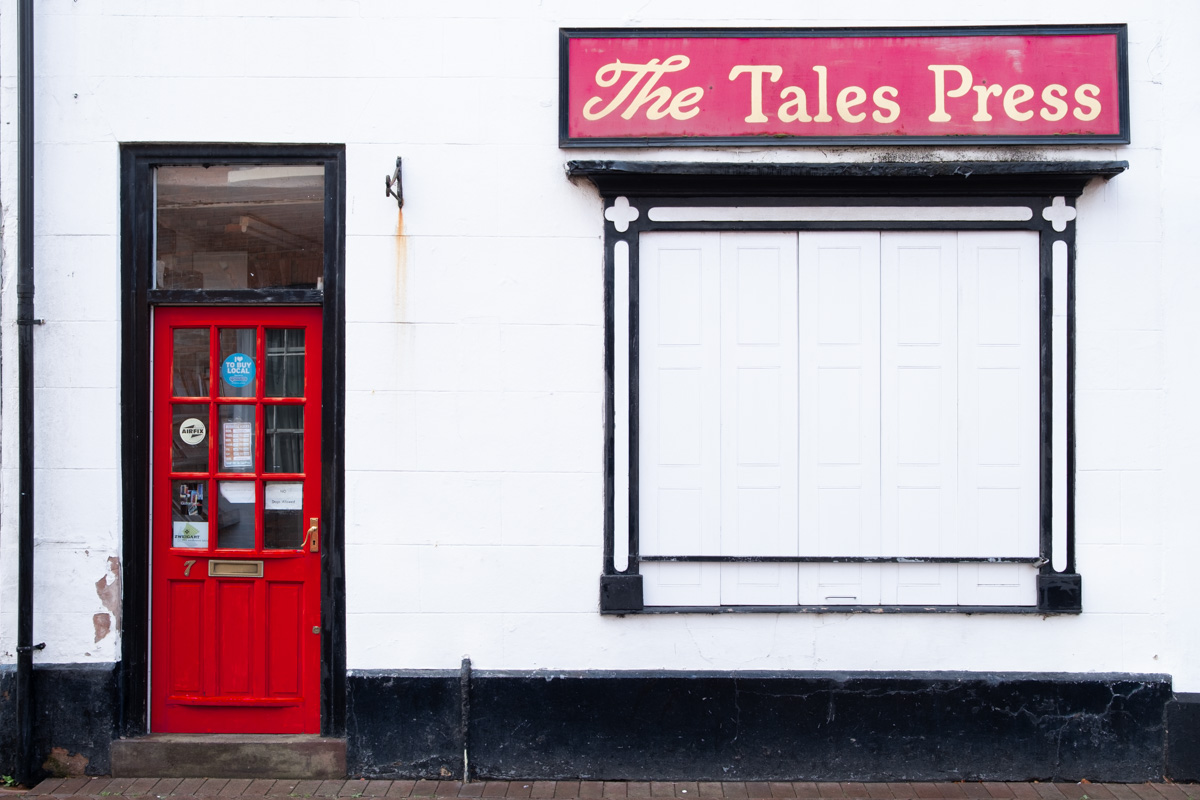
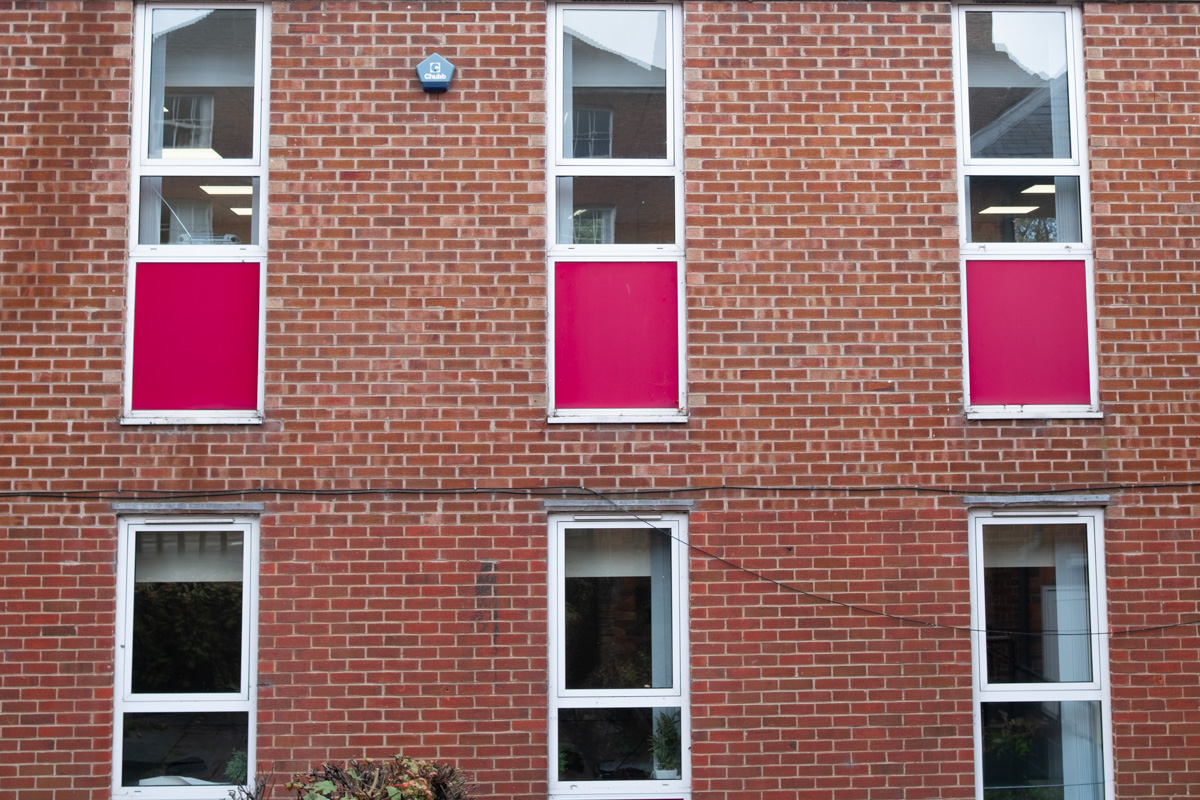
Here are my observations and thoughts on this experiment:
- Probably the hardest of the constraints I imposed was the one of time. 30 minutes is not long to create a set of images on one topic even in a relatively small area. As you can see from the number of images I captured I ran out of time before I reached my target of 24 images. The number of keepers I would say I got was probably two (image 10 and 11). Of the rest, maybe a third were okay, the rest an immediate ‘nil points’.
- The good thing about a time constraint however is it does mean you have to be super observant and not spend too much time deliberating over whether to take an image or not.
- Pre-selecting camera settings is definitely worthwhile in street photography. Not having to set the aperture or shutter speed can save a valuable second or two when trying to capture that decisive moment.
- One of the things this experiment has made me admire most about some of the old-time street photographers is that they made great images despite the cost of (especially colour) film and the limitations they had in post-production. In terms of the ability to crop, straighten and adjust exposure tools like Lightroom are an absolute lifesaver.
- Black and white is normally my default option when it comes to street photography but deciding to go for colour was not just a pleasant change but also makes me admire (and want to research more) the work of some of the great colour street photographers like Fred Herzog and Joel Meyerowitz.
Overall this was an interesting experiment and one I will definitely try again, maybe with some different constraints. I feel I learnt a lot and certainly got into a flow for the 30 minutes I was shooting.
* Coined by psychologist Mihaly Csikszentmihalyi, the term flow describes a state of optimal experience where individuals are fully absorbed in an activity. In this state, there’s a balance between the challenge of the task and the individual’s skill level, leading to heightened focus and enjoyment. Csikszentmihalyi’s research highlights how flow contributes to increased happiness and creativity.

 Peter Cripps Photography
Leave a comment